Laken Linnea Sylvander is an artist, curator-educator, & musician. She is the creative director and a founding co-steward of climate futures studio pursuing a PhD in Art History at UW Madison.
My Farmor, or father’s mother, begins her autobiography quoting “Paideia: An Educational Syllabus” by Mortimer J. Adler:“The three great cooperative arts are Agriculture, Medicine and Teaching.”
She elaborates: “These “arts” work not with inert, controlled oil paint or marble or even mental notes and harmonies, but with living things–plants, soil, people. Without the cooperation of the living, the work is in vain.” (Teacher: Step Outside, 2017).
I emerge from this foundation by working at the confluences of the “inert” and the living, interrogating questions of biopower, what humanity determines is or isn’t animate, considered alive, and/or worthy of rights (a framework worth troubling).
I research the agency of plants, soil, water, animals, people, and their materials in site-specific contexts. I approach art historical scholarship from a geographic and ecosystems framing, allowing concurrent cultural landscapes to guide me in their production of visual and material culture surrounding the Great Lakes.
-
![]()
Scholarship
Laken’s research and curatorial work interrogate cultural and environmental heritage in settler-occupied societies, from the Great Lakes of North America to the North African Mediterrannean coast.
Laken is a PhD student in Art History at the University of Wisconsin, Madison, as a Chipstone - James Watrous Wisconsin Distinguished Graduate Fellow, as well as an Early Career Fellow of UCLA’s Center for Developing Leadership in Science. She is an alumni of the Fulbright Program as a scholar to the Vrije Universiteit, Amsterdam.
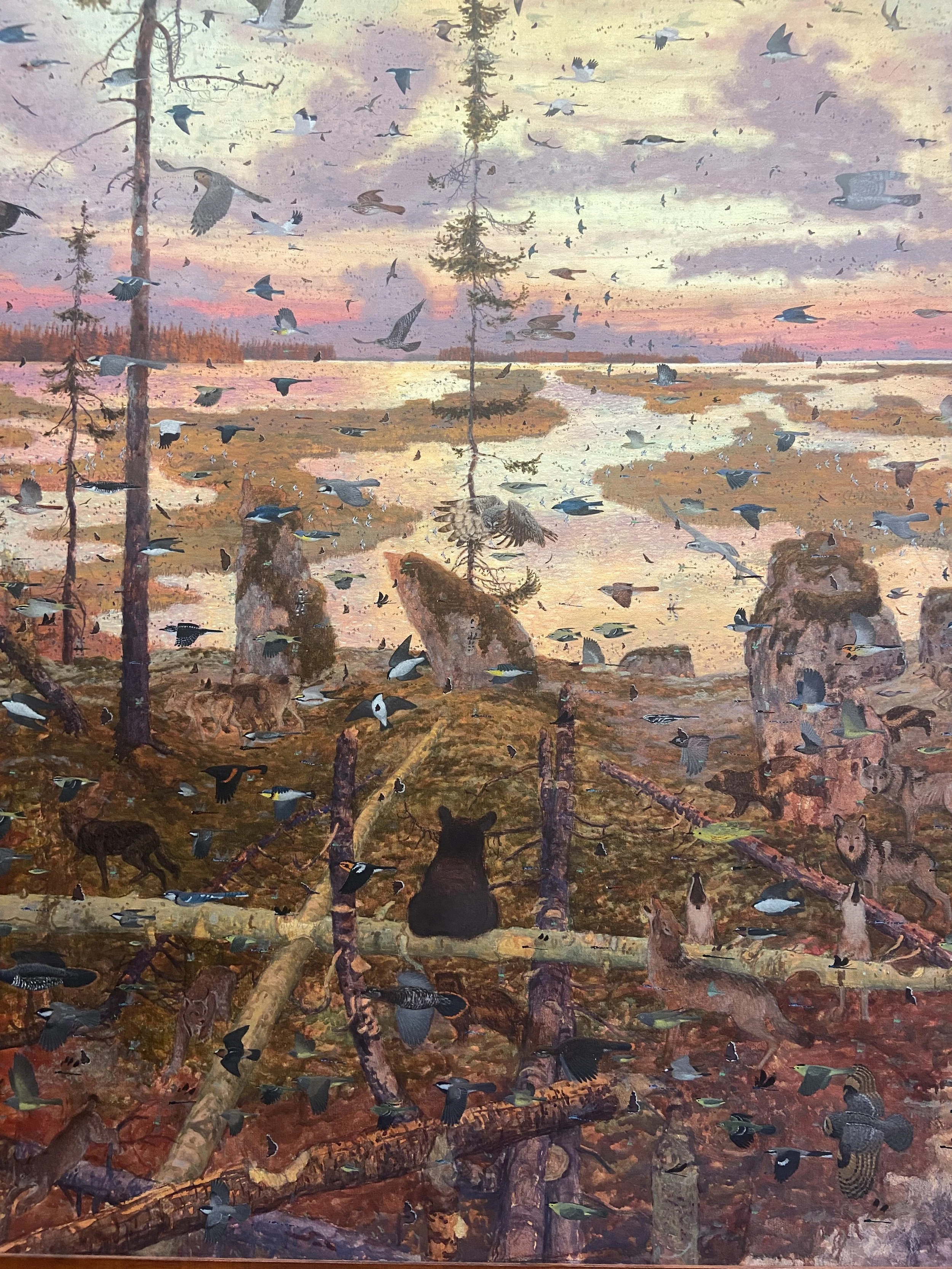
Above image: “Nin Mamakdadendam” by Tom Uttech via the Chazen Museum of Art
-
![]()
Curation
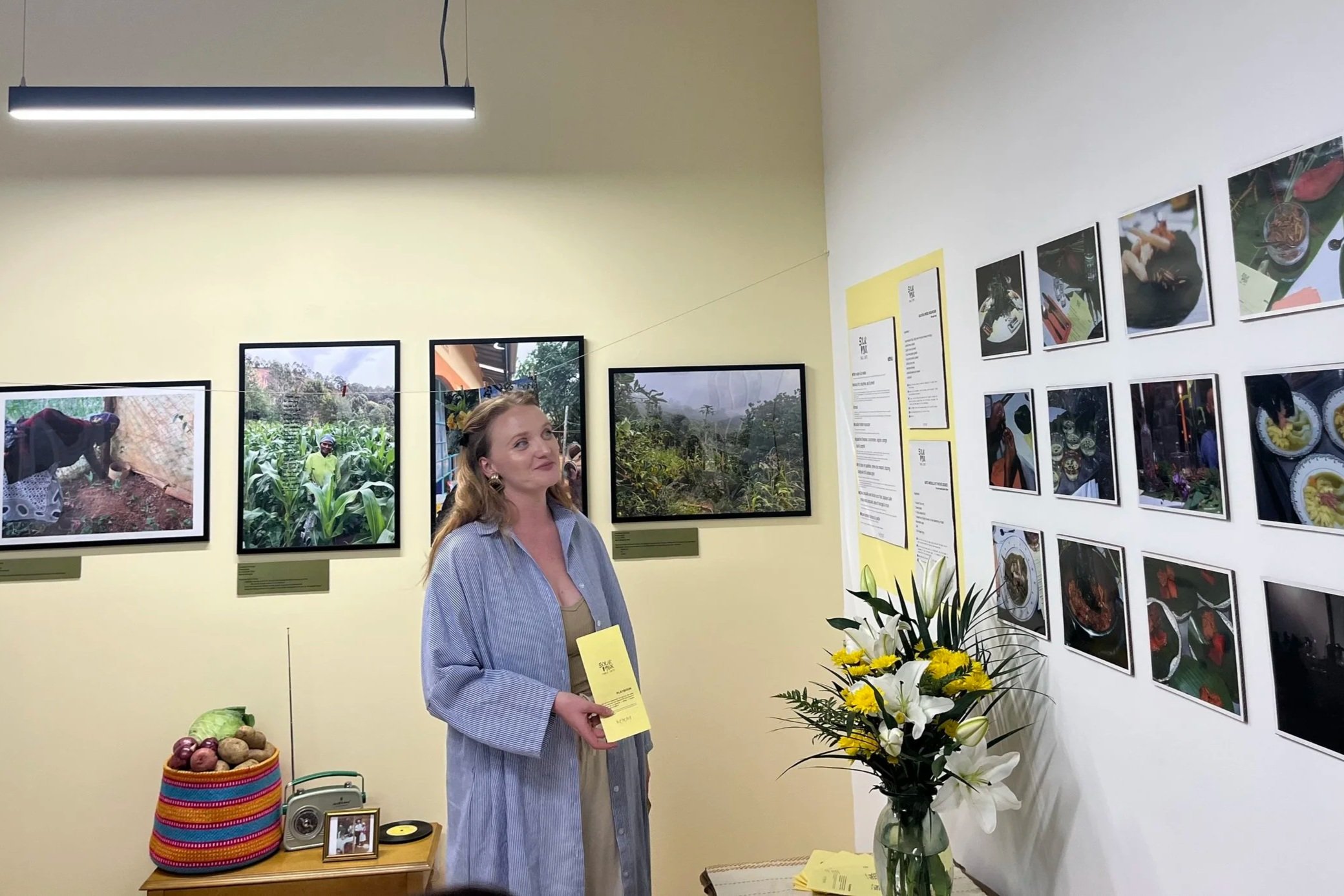
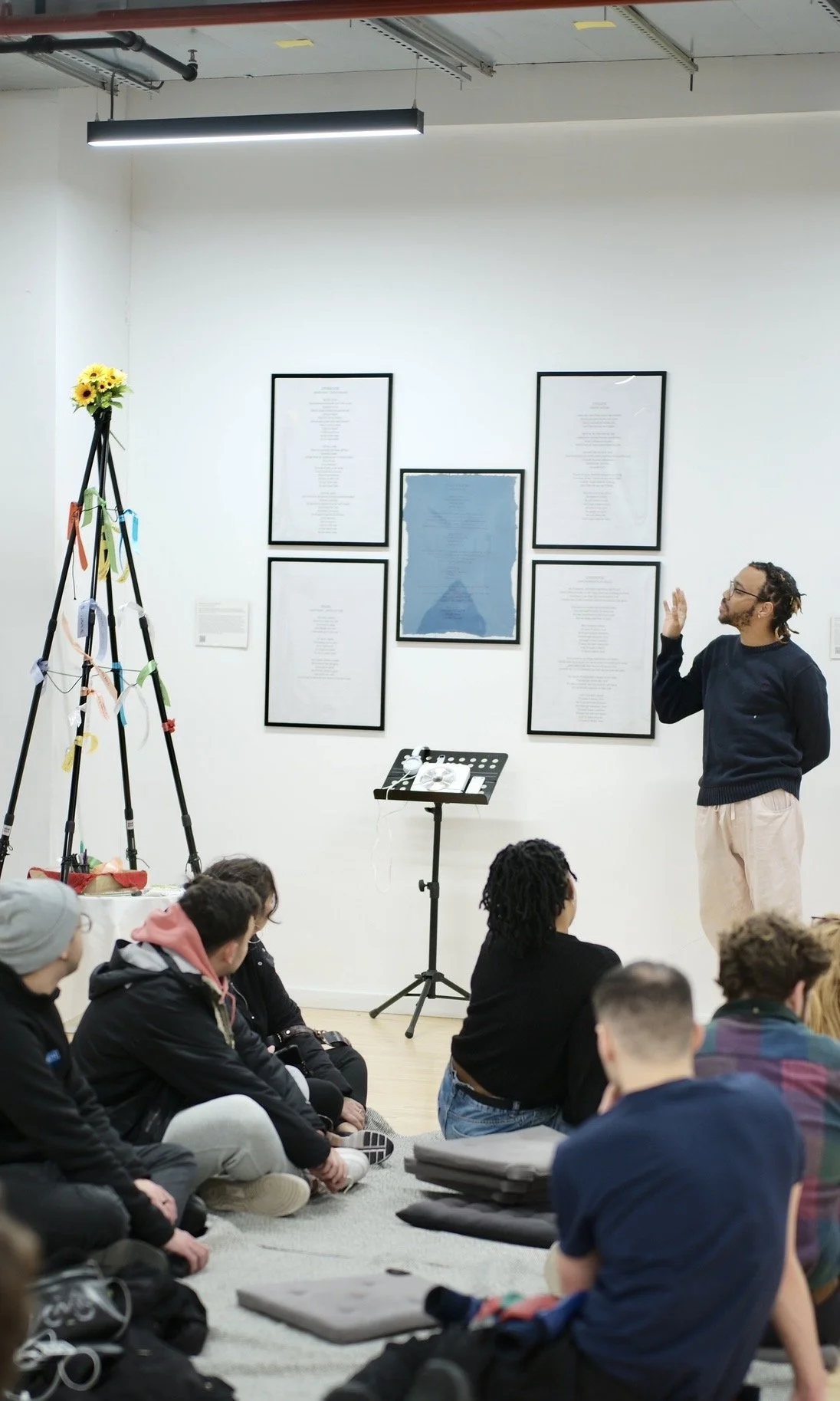
As a curator, Laken collaborates with emerging artists from frontline geographies in the current stage of the climate crisis globally. As founding creative director of Climate Futures Studio, her work invites her to steward the experience of young artists through the “Climate Storytelling 2075” fellowship. This approach to curation, in which artists are collaborators in exhibitions over 9 months annually, dismantles a top-down authority in curation, developing an artist-driven, communal curatorial methodology.
-
![]()
Art
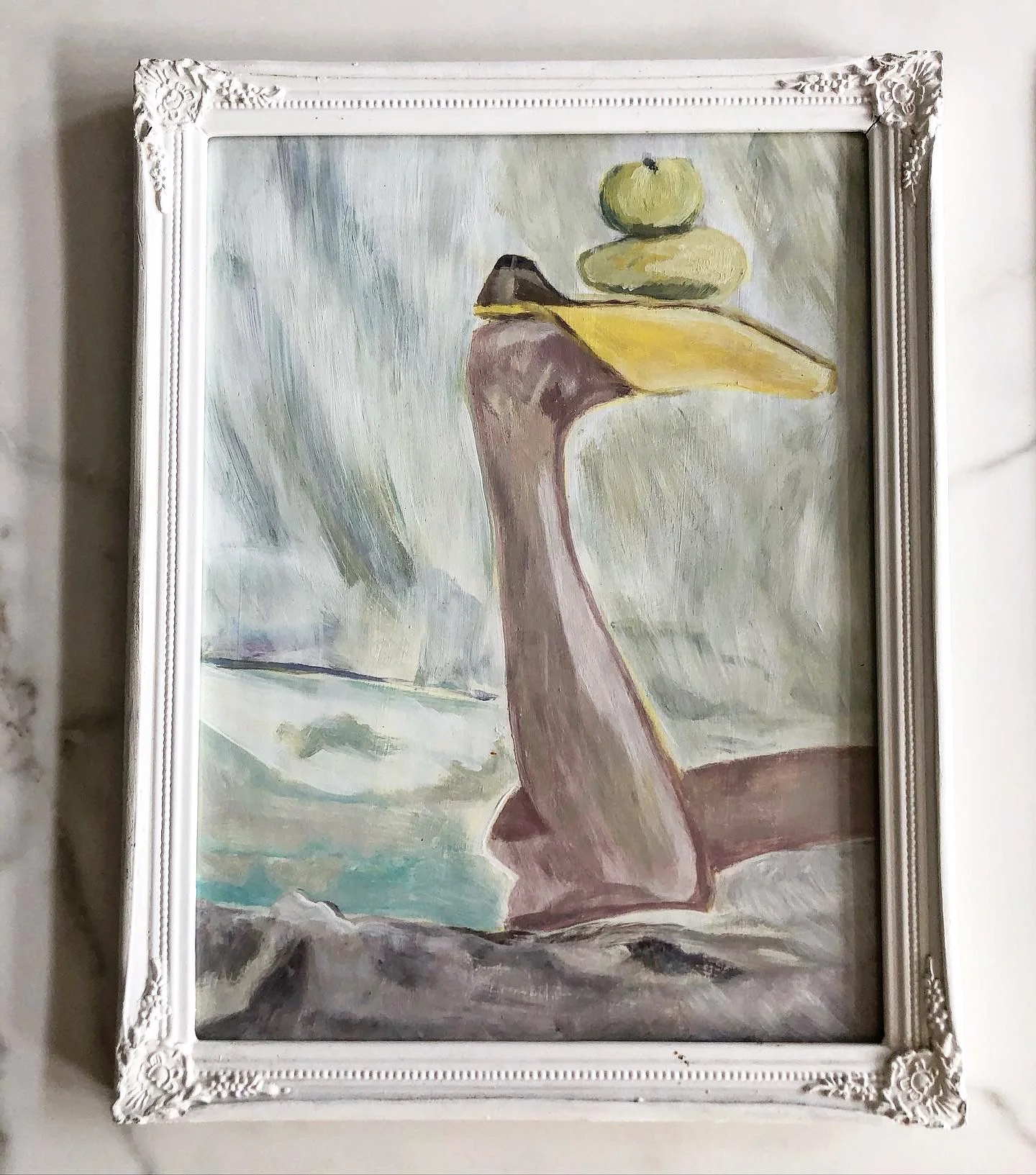
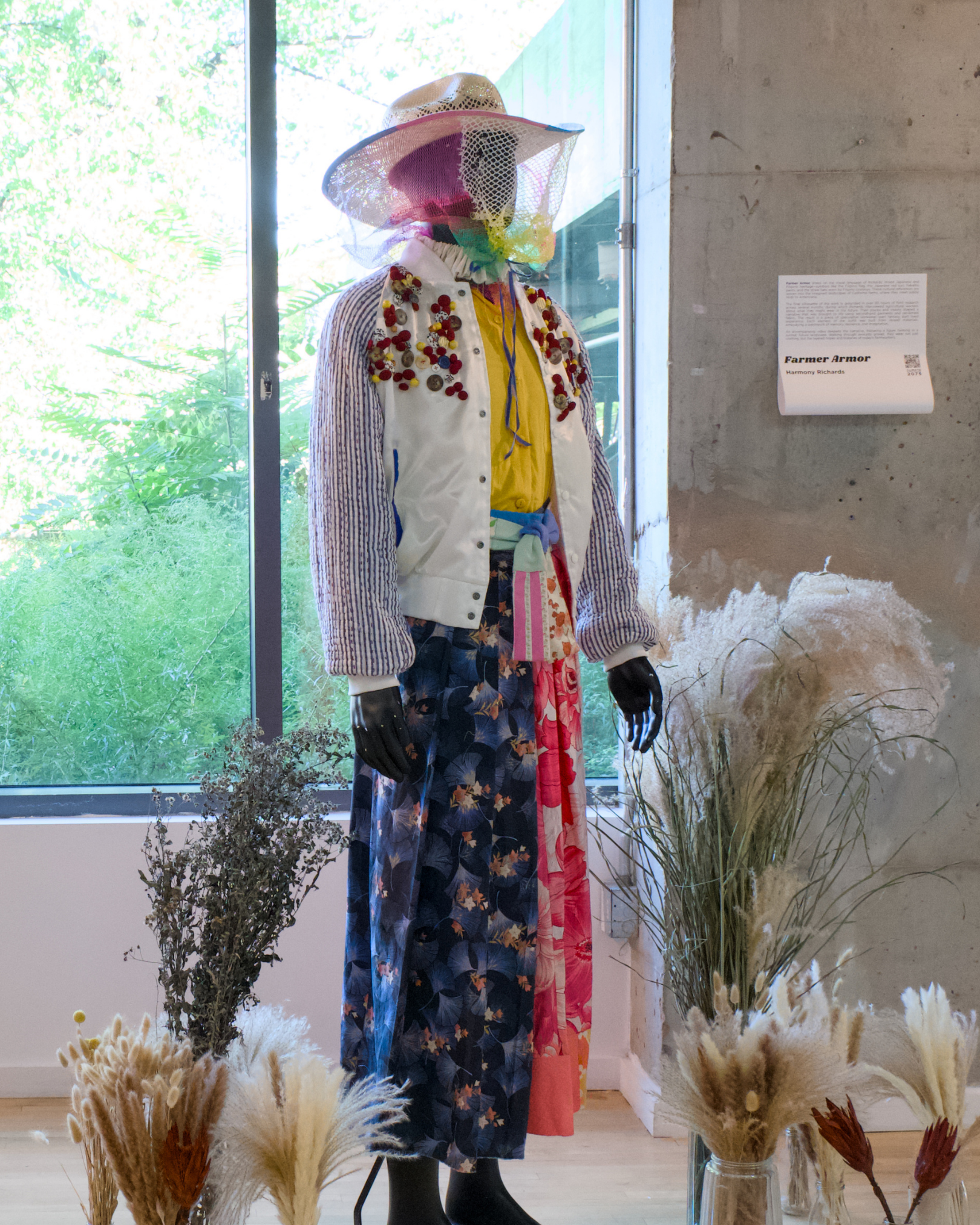
Laken’s art practice includes textile work in which she produces experimental, theory-rooted garments, that confront the entanglements of fashion, industrialization, and the natural world. She roots her fiber works in questions of settler land relations that are historically informed while speculative all at once. She also creates paintings, sculpture, and produces original music from long-form scores to independent records.
Public research talks
Ojibwe Language and Land in Tom Uttech’s Northern Wilderness: Abstracting Indigenous Epistemologies and the Visual Politics of Settler Environmental Anxiety
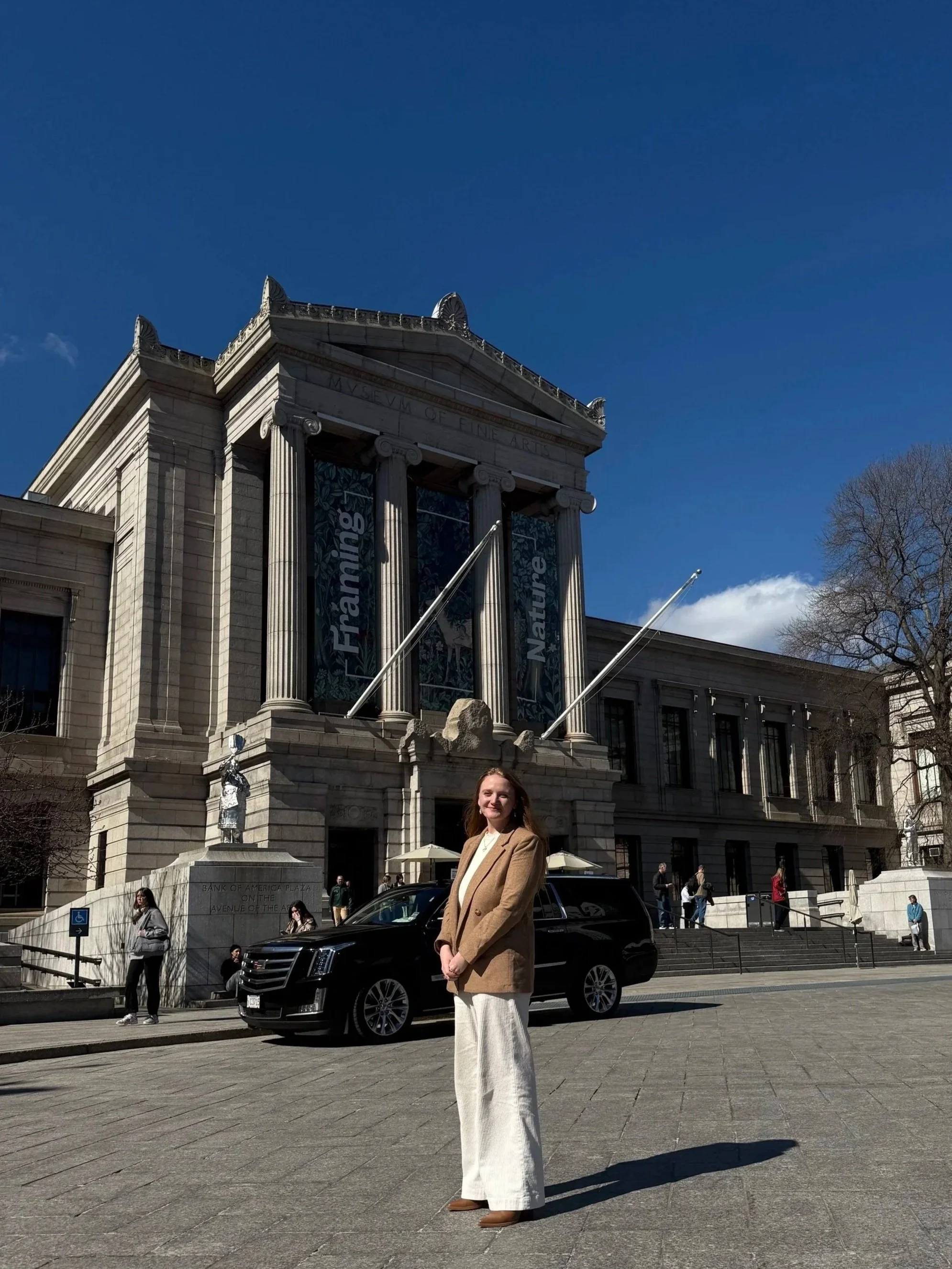
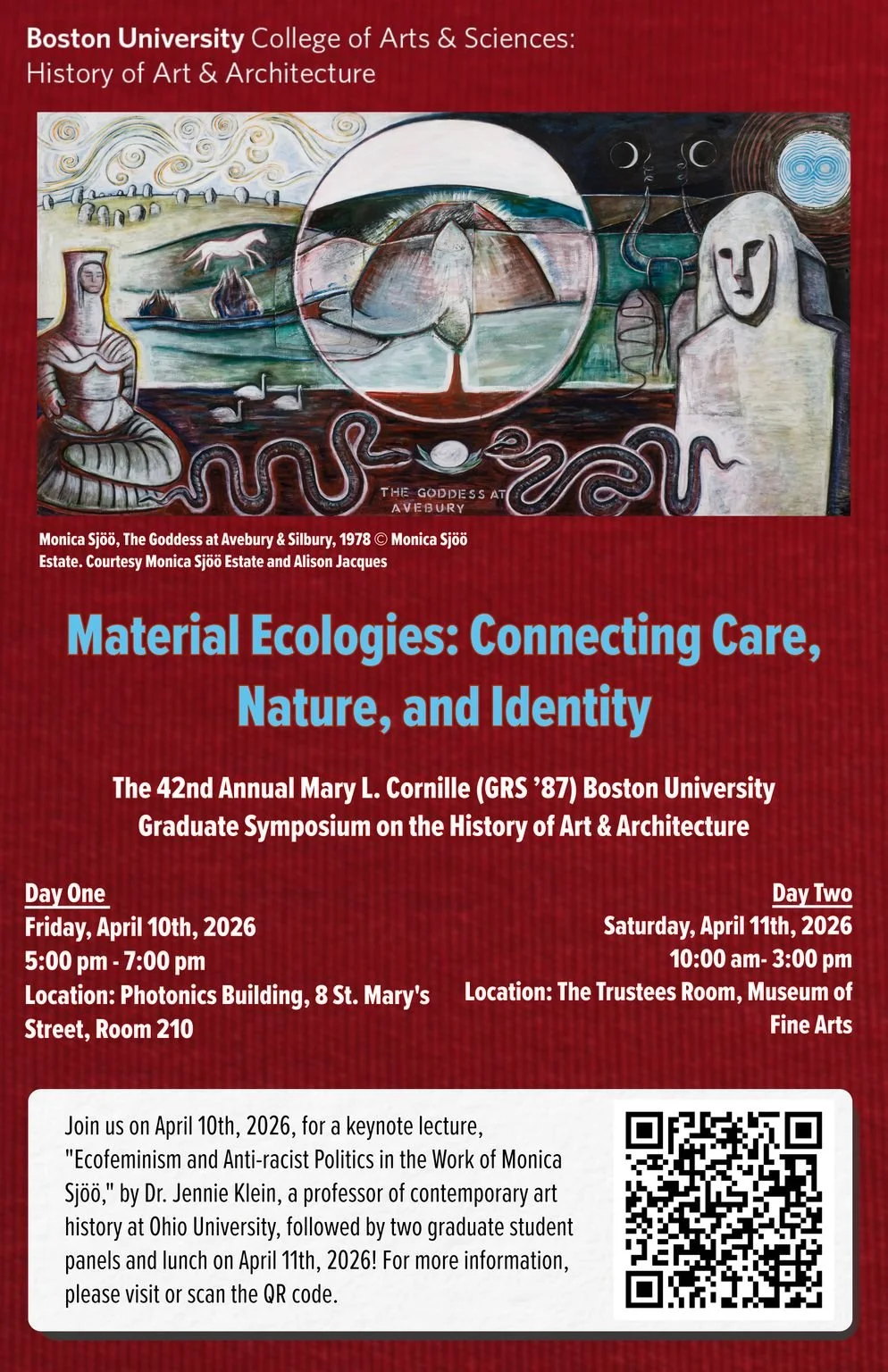
This paper was presented at the Boston Museum of Fine Arts as part of Boston University’s Graduate Student Symposium on the History of Art & Architecture on “Material Ecologies: Connecting Care, Nature, and Identity” - April 11, 2026.
The paper addresses a central problem in contemporary environmental art history: how visual culture engages Indigenous epistemologies of ecological relations under conditions of climate crisis. I argue that Tom Uttech's Great Lakes landscapes are reflective of broader settler approaches to material ecologies, particularly those that aestheticize Indigenous language and worldviews while evacuating Indigenous presence, sovereignty and land relations from their frames. Through a comparative analysis of Tom Uttech’s "Nin Mamakadendam" (2010) and its Chazen Museum of Art gallery neighbor Rabbett before Horses Strickland’s "Iskwaaj Nibi (The Last Waterhole: Creating a New World" (2018), I demonstrate how these artists articulate their respective ontologies of ecological care in a rapidly changing environment while mobilizing Ojibwemowin, the language of the Anishinaabe Ojibwe. Uttech assembles Ojibwemowin titles to frame landscapes of enchanting, abundant nonhuman life, visuals that advocate a human-absent wilderness ideal worthy of protection. Uttech’s fictionalized Boundary Waters wildernesses in "Nin Mamakadendam" and across his body of work perpetuate a settler-colonial logic by abstracting land from the Indigenous frameworks that make it known, and make it place, while employing Indigenous language. Red Cliff Band of Ojibwe painter Rabbett before Horses Strickland's "Iskwaaj Nibi" notably contrasts in its cohesion between an Ojibwemowin title, with English translation, and the visual content of Anishinaabe cosmological/ecological storytelling. Strickland's canvases and titles collaborate to educate the American public about Ojibwe environmental understanding by centering stories of Nanaboozhoo, through which generations of Anishinaabe have maintained reciprocal stewardship of sacred land and waters of the Great Lakes.
Contemporary climate discourse increasingly turns to Indigenous knowledge systems for ecological solutions. By clarifying how material ecologies are visually constructed—and by whom—this paper insists that meaningful coalition for just environmental futures requires moving away from appropriative discourse of Indigeneity as abstracted epistemology, and towards a land-rooted ethic of Indigenous sovereignty that drives environmental stewardship.
Thank you to Dr. Sasha Maria Suarez and Dr. Daniel Spaulding for your support on this paper and talk.
Select Research & Reviews: PhD
-
This paper was presented at the Boston Museum of Fine Arts as part of Boston University’s Graduate Student Symposium on the History of Art & Architecture.
This paper addresses a central problem in contemporary environmental art history: how visual culture engages Indigenous epistemologies of ecological relations under conditions of climate crisis. I argue that Tom Uttech's Great Lakes landscapes are reflective of broader settler approaches to material ecologies, particularly those that aestheticize Indigenous language and worldviews while evacuating Indigenous presence, sovereignty and land relations from their frames. Through a comparative analysis of Tom Uttech’s "Nin Mamakadendam" (2010) and its Chazen Museum of Art gallery neighbor Rabbett before Horses Strickland’s "Iskwaaj Nibi (The Last Waterhole: Creating a New World" (2018), I demonstrate how these artists articulate their respective ontologies of ecological care in a rapidly changing environment while mobilizing Ojibwemowin, the language of the Anishinaabe Ojibwe. Uttech assembles Ojibwemowin titles to frame landscapes of enchanting, abundant nonhuman life, visuals that advocate a human-absent wilderness ideal worthy of protection. Uttech’s fictionalized Boundary Waters wildernesses in "Nin Mamakadendam" and across his body of work perpetuate a settler-colonial logic by abstracting land from the Indigenous frameworks that make it known, and make it place, while employing Indigenous language. Red Cliff Band of Ojibwe painter Rabbett before Horses Strickland's "Iskwaaj Nibi" notably contrasts in its cohesion between an Ojibwemowin title, with English translation, and the visual content of Anishinaabe cosmological/ecological storytelling. Strickland's canvases and titles collaborate to educate the American public about Ojibwe environmental understanding by centering stories of Nanaboozhoo, through which generations of Anishinaabe have maintained reciprocal stewardship of sacred land and waters of the Great Lakes.
Contemporary climate discourse increasingly turns to Indigenous knowledge systems for ecological solutions. By clarifying how material ecologies are visually constructed—and by whom—this paper insists that meaningful coalition for just environmental futures requires moving away from appropriative discourse of Indigeneity as abstracted epistemology, and towards a land-rooted ethic of Indigenous sovereignty that drives environmental stewardship.
-
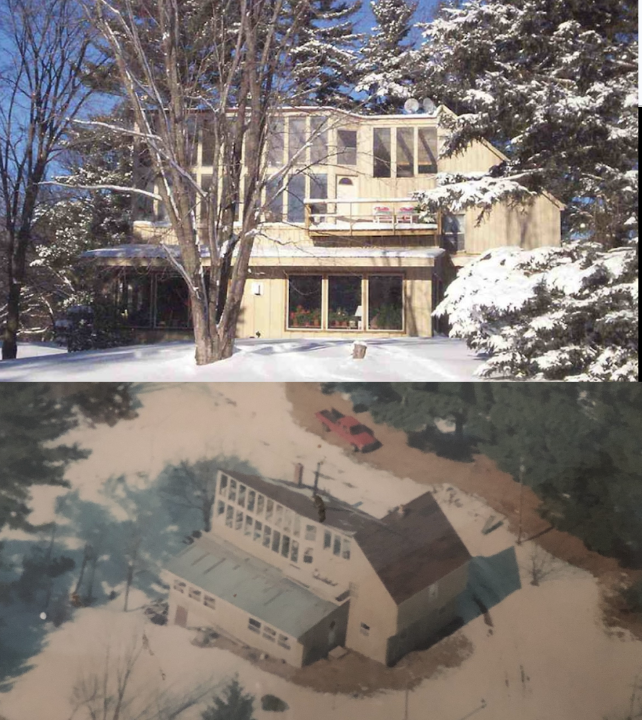
This paper was presented at the Vernacular Architecture Forum 2026 Annual Conference in Walla Walla Washington.
The paper offers a speculative methodology for reconstructing and studying vernacular buildings that are no longer physically accessible to scholars, using a combination of memory, oral and written testimony, and photographic evidence. The case study that led to such an exploratory methodology is my family’s homestead cabin in Trade Lake, Burnett County, Wisconsin, established in 1869. While the original log structure remains intact, it is now enclosed within later structural additions and inaccessible due to private ownership–the original building’s exterior is not visible even from the street. This situation raises a broader question for scholars of vernacular architecture: How do we study, visualize, and interpret structures we can no longer enter–or even observe externally–directly?Drawing on my own embodied memory of the home, oral histories from relatives and neighbors, and a photographic archive spanning the late nineteenth century through the 2020s, I have reconstructed the cabin’s evolving floor plan over time, from well before my living memory of the structure through present. This process revealed the productive tension between individual and collective memory’s distortions and photography’s selectivity. Embodied memory’s inherent bias is at play in such a methodological approach, which might call upon borrowing from and rethinking of experimental archaeology and its speculative benefits to the study of inaccessible vernacular structures.
-
This literature review explores how mounds as individual works and their broader mound systems risk disorientation and miscontext if treated separately.
Leigh Bloch’s Animate Earth, Settler Ruins (2020) helps articulate the vitality and relationality of mound landscapes. Bloch stresses that Indigenous earthworks are simultaneously animate, relational, and decolonial, emphasizing that settler erasure—through plowing, development, and legal regimes—has removed both physical mounds and Indigenous epistemologies from cultural imagination. Ross Barrett’s discussion of nineteenth-century land and labor visual regimes in Wisconsin contextualizes Euro-American picturing practices that contributed to settler understandings of land as productive, flattening relational and aesthetic complexity in the process. Moreton-Robinson’s The White Possessive (2015) and Binder Johnson’s Gridding a National Landscape (1990) foreground property, measurement, and the material reshuffling through violent displacement by settler grids, illustrating how legal and agricultural systems physically and epistemically de-sculpted the earth. Gunlög Fur’s “Indians and Immigrants-Entangled Histories” (2014) demands more of historians in confronting how European immigrants directly imposed colonial regimes in the quotidian acts of settlement, producing newly layered landscapes that are simultaneously ecological, social, and political.
Analyses of mounds conducted solely from within the imperial American academy will not produce the decolonization of these sites, their broader earthwork systems, or the discipline of art history itself. I nevertheless pursue these questions because I am concerned with the epistemic gaps left unaddressed by disciplinary divides—gaps that may obscure missed opportunities for orientation and relation between human and mound, and for more meaningful forms of preservation of these sacred sites. I further insist that sustained attention be paid to the history of mound destruction, not only within archaeological discourse but across the settler practices of surveying, gridding, farming, and homesteading that rework the land, historically and ongoingly, through the undoing of mounds
-
-
This paper analyzes Historical Sketches: Fifty‑Five Years in Western Wisconsin—Louis J. Ahlstrom’s 19th–20th century immigrant memoir as translated and edited by Carolyn Wedin (the author’s Farmor, Swedish ofor father’s mother)—as a site where Swedish exceptionalism, settler memory, and Ojibwe land politics become mutually constitutive. Through a critical heritage studies framework, the paper argues that Wedin’s translation is not a neutral linguistic act but a contemporary performance of heritage-making: a process through which the past is selectively curated to meet the needs, desires, and blind spots of the present. Reading the translated text alongside historical research on the St. Croix Ojibwe, treaty-era land dispossession, and the region’s settler-colonial geographies, the paper demonstrates how Ahlstrom’s narrative authority—reinforced through Wedin’s editorial decisions—produces a frontier nostalgia that foregrounds Swedish immigrant industriousness while minimizing or reframing Ojibwe displacement.
Close comparison between Wedin’s translation and Gunlög Fur’s independent translation of the same passages reveals subtle but consequential shifts in agency, particularly in depictions of Ojibwe removal. These shifts illuminate how translation becomes a tool of settler memory-making, transforming active processes of dispossession into passive, inevitable outcomes of “progress.” At the same time, the memoir’s depictions of Ojibwe women, borderland warfare, and everyday coexistence offer glimpses of the concurrent histories that Fur and Jennifer Attebery call for—histories in which Indigenous presence is neither vanished nor peripheral.
By situating Wedin’s translation within the broader watershed of the St. Croix River and the author’s own autoethnographic return to Trade Lake, the paper argues that immigrant family narratives are themselves powerful settler archives. They shape how descendants understand land, belonging, and responsibility in a region where Ojibwe dispossession and Scandinavian homesteading unfolded simultaneously. Ultimately, the paper proposes that engaging these texts through a critical, relational lens opens pathways for rethinking heritage not as inheritance alone, but as an ethical practice attuned to concurrent Indigenous histories and the ongoing politics of place in Wisconsin’s Northwoods.
-
This paper argues that Traditional Knowledge (TK) Labels offer a critical, community‑driven framework for reshaping how museums describe, classify, and steward Indigenous art and visual culture. Drawing from the example of TK Labels used in the Aotearoa-based film project E Reo Noku – My Language, the paper examines how these labels—selected and authorized by Indigenous communities—could intervene meaningfully in the gallery practices of the Chazen Museum of Art at the University of Wisconsin–Madison. Two artworks currently on view, Tom Uttech’s Nin Mamakadendam and Rabbett Before Horses Strickland’s Iskwaaj Nibi (The Last Waterhole: Creating a New World), serve as case studies demonstrating the consequences of absent or insufficient contextualization. Uttech’s use of Ojibwemowin titles, drawn from a 17th‑century missionary dictionary, risks misleading viewers about cultural authorship and perpetuating settler‑colonial imaginaries of “empty” wilderness. Conversely, Strickland’s painting conveys sacred Ojibwe cosmological knowledge that is traditionally governed by seasonal storytelling protocols—protocols not communicated on the museum’s wall label or digital collection entry.
The paper argues that TK Labels such as TK Non‑Verified, TK Seasonal, TK Culturally Sensitive, and TK Multiple Communities could provide essential guidance for both Native and non‑Native viewers, while strengthening the museum’s ethical responsibilities as an institution situated on Ho‑Chunk land. Beyond individual artworks, the paper identifies structural issues in the Chazen’s digital catalog—particularly the absence of tribal affiliation as a searchable category—and proposes a phased approach to implementing TK Labels across both physical and digital platforms. Central to this proposal is sustained consultation with Ho‑Chunk, Ojibwe, and other Indigenous representatives whose knowledge is held within the museum’s collections. Ultimately, the paper positions TK Labels as a practical, relational, and reparative tool for transforming museum information systems, enhancing public understanding, and supporting Indigenous sovereignty in the stewardship of cultural knowledge.
-
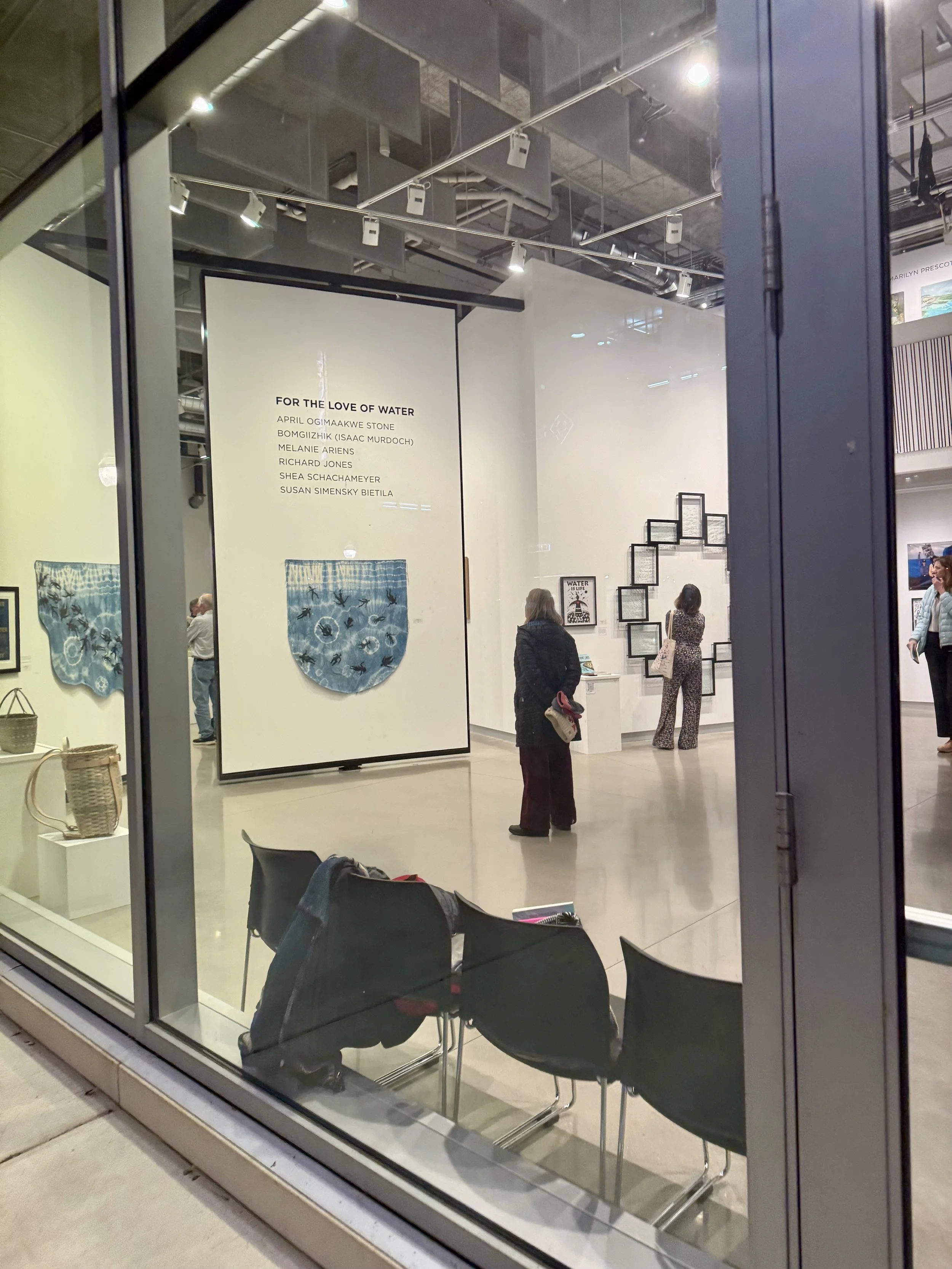
This review of For the Love of Water, a 2026 group exhibition at Arts + Literature Laboratory, analyzes the show as a site where contemporary artistic practice, environmental advocacy, and settler–Indigenous relationality converge—and collide. Through close observation of artworks ranging from counter‑cartographic quilting to ash basketry, protest banners, and performance, the paper argues that the exhibition stages multiple, sometimes uneasy, modes of engaging water as material, collaborator, ancestor, and political subject. Drawing on the author’s field notes and conversations with attendees, the analysis foregrounds how non‑Indigenous artists and viewers navigate (and at times appropriate) Indigenous epistemologies of land and water, raising questions about Indigenized environmentalism, cultural authority, and the limits of solidarity within settler‑dominated art spaces.
The paper situates the exhibition within broader debates about settler‑colonial land relations, particularly the tension between cartographic abstraction and embodied, relational ways of knowing. Works such as Marilyn Prescott’s Rivering series challenge the distanced, gridded logics of the Public Land Survey, while Susan Simensky Bietila’s Shut Down Line 5 banner foregrounds Bad River Ojibwe clan imagery and the lived materiality of protest. The culminating performance, Sita & Other Sisters by Blue Naga, further complicates the gallery’s boundaries by invoking ritual, collective voice, and the entanglement of violence against women and land.
Ultimately, the paper argues that For the Love of Water offers a generative but fraught terrain for examining how settlers absorb, reinterpret, or retool Indigenous knowledge in contemporary environmental art. The exhibition becomes a lens through which to interrogate the temporal and geographic scales of settler‑colonialism in the Great Lakes region, and to consider how artistic practice might support—or obscure—more just and relational futures.
Select Research: Fulbright

-
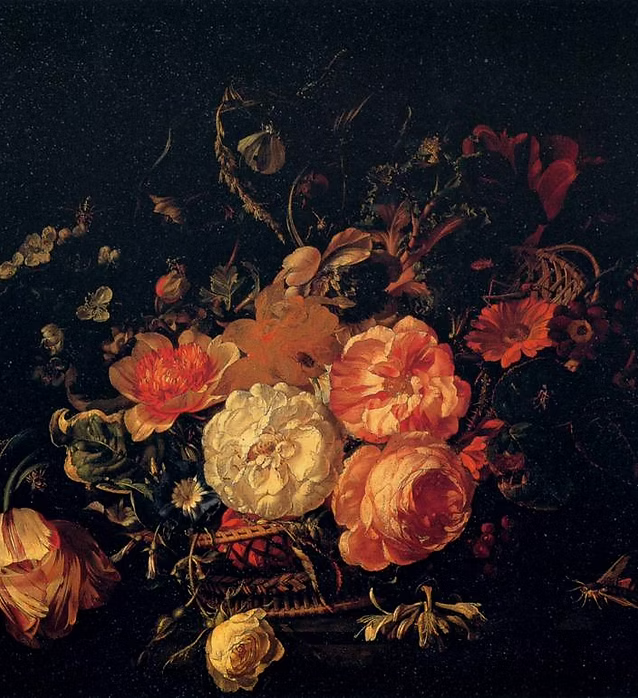
This paper explores how heritage and conservation practices must be reimagined in the face of climate change by shifting from preservationist models to approaches that embrace decay and ephemerality. Building on David Harvey’s call for “heritage as a futuristic activity” and DeSilvey’s notion of “curated decay, care without conservation,” the essay critiques UNESCO’s reliance on static, state-based heritage frameworks that fail to account for climate crisis impacts transcending national borders. Through comparisons between heritage sites, museum conservation practices, and artistic traditions such as still life painting and performance documentation, the paper argues for a philosophy of ephemerality as an alternative heritage ethic. By situating decay as a meaningful, even necessary, part of cultural transmission, this approach reframes the role of heritage as preparing future generations not through static preservation but through fostering resilience, creativity, and honesty about loss. The essay concludes that integrating decay-embracing heritage practices with urgent climate policy could open radically self-aware futures for humankind, where the beauty of ephemerality informs cultural continuity amidst environmental change.
-
This essay examines Future Flora (2018), Giulia Tomasello’s probiotic-based health intervention and artwork, as a convergence point between technology, biology, and contemporary philosophies of nature. Situating the work within Jack Burnham’s systems art framework and Yuk Hui’s philosophy of recursivity, the paper argues that Future Flora exemplifies a new orientation of the “organic” that resists both mere biotic appearances and purely mechanistic functions. By fostering balance within the vaginal microbiome, the project highlights embodied openness and immunological self-organization as recursive systems, while also extending into geo-engineering metaphors for planetary health in the Anthropocene. Drawing from biomedical studies on the vaginal microbiome, feminist critiques of body politics, and Elizabeth Povinelli’s theorization of organs as sites of planetary mediation, the essay demonstrates how Future Flora reframes the vagina as a locus of technological, ecological, and cultural encounter. Ultimately, the paper contends that Tomasello’s work humbles technology by positioning it as a scaffold to natural processes, offering a provocative model for rethinking the entanglement of nature, culture, and technology in contemporary art and design.
Read.
-
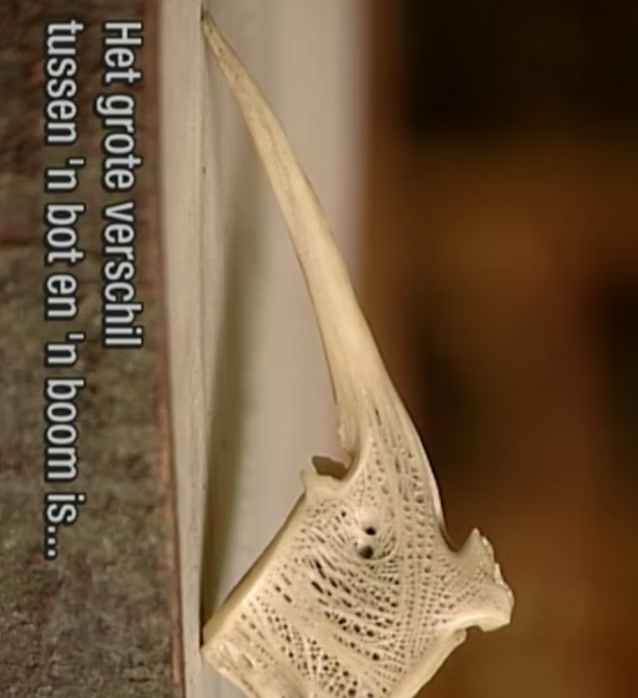
In 2014, Laarman was named one of 15 designers in the Netherlands that comprised the new Dutch design avant-garde, as dictated by the Stedelijk Museum, Amsterdam. By means of a survey of the history of “Dutch design” and its previous iterations of “avant-garde”—within the method of national design histories as outlined by John Walker—this essay questions the sustainability of technical innovations in additive manufacturing, exemplified by Laarman Labs. Further surveying of Laarman’s peers in the Stedelijk Museum’s exhibit and accompanying text by Merel Bem, “How We Work: The Dutch Design Avant-Garde,” reveals a widespread emphasis in this contemporary avant-garde on a return to nature, recycling/upcycling, and consciousness of waste to complement technological innovation. Careful study on discussion of Laarman’s work in contrast with the mission of his peers’ raises questions concerning what the nation behind the Dutch design avant-garde demands of its most celebrated creators. This essay follows two lines of inquiry: first, if the contemporary Dutch design “avant-garde” proposes “high quality and sustainability as a solution to mass production and overproduction,” as put forward by Stedelijk director René Pingen, how does Laarman’s production process fit within this new national design narrative? Second, how might his presence amongst this Dutch avant-garde problemetize the very foundation of national design histories?
Read.
Exhibition history
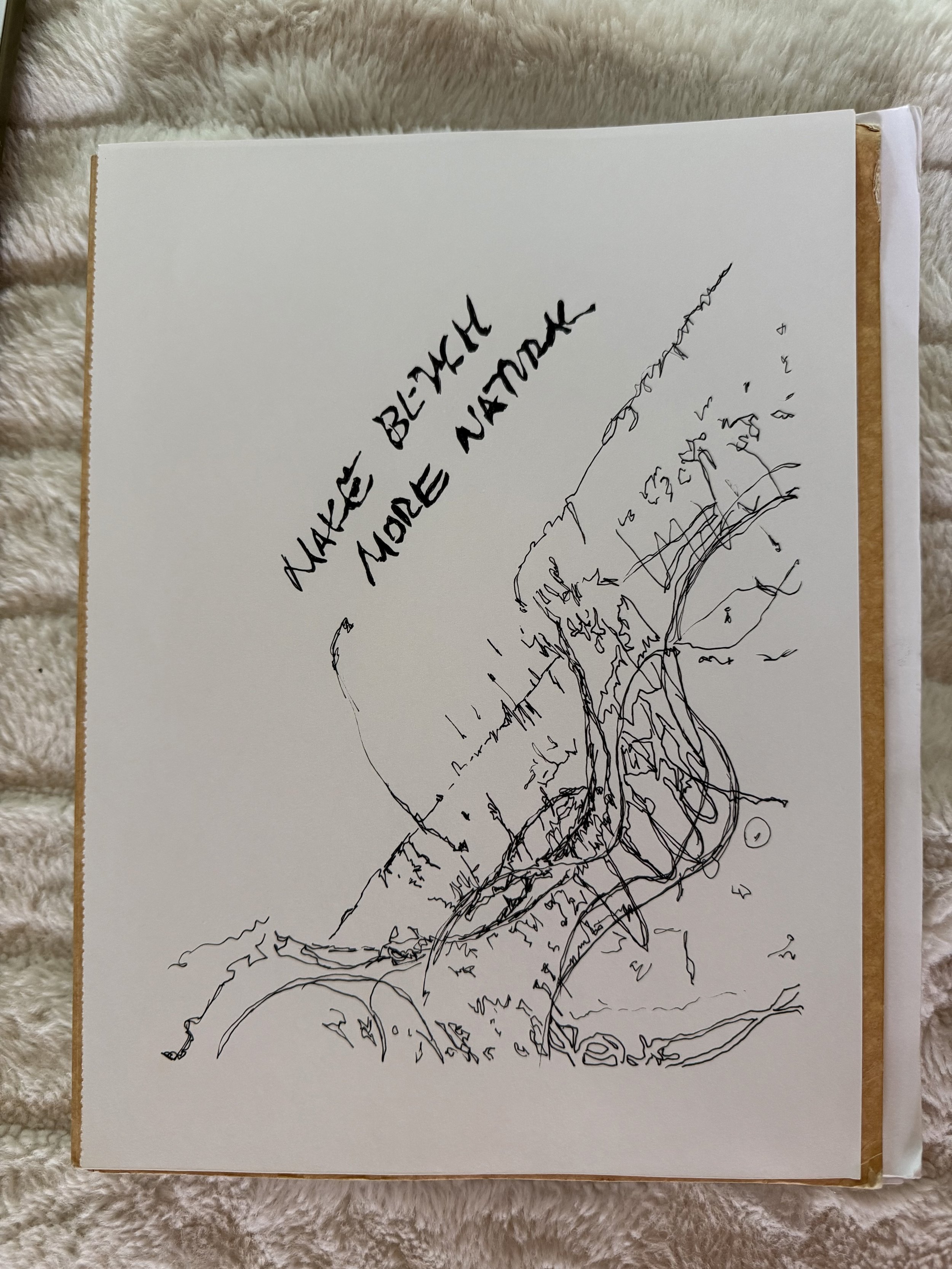
MAKE BEACH MORE NATURAL (after Maya Lin) in “44th Rock Island Fine Arts Exhibition” Figge Art Museum, USA 2026 (Artist, group show)
“Climate Futures Studio” LA Climate Week 2026 (Curator, group show)
“Imagining Climate Futures”NY Climate Week 2025 (Curator, group show)
“Imagining Radical Ocean Futures” + “Imagining Radical Land Futures”Goals House United Nations General Assembly @ NY Climate Week 2025 (Curator, artist, group show)
“Climate Storytelling 2075” NY Climate Week 2024 (Curator, artist, group show)
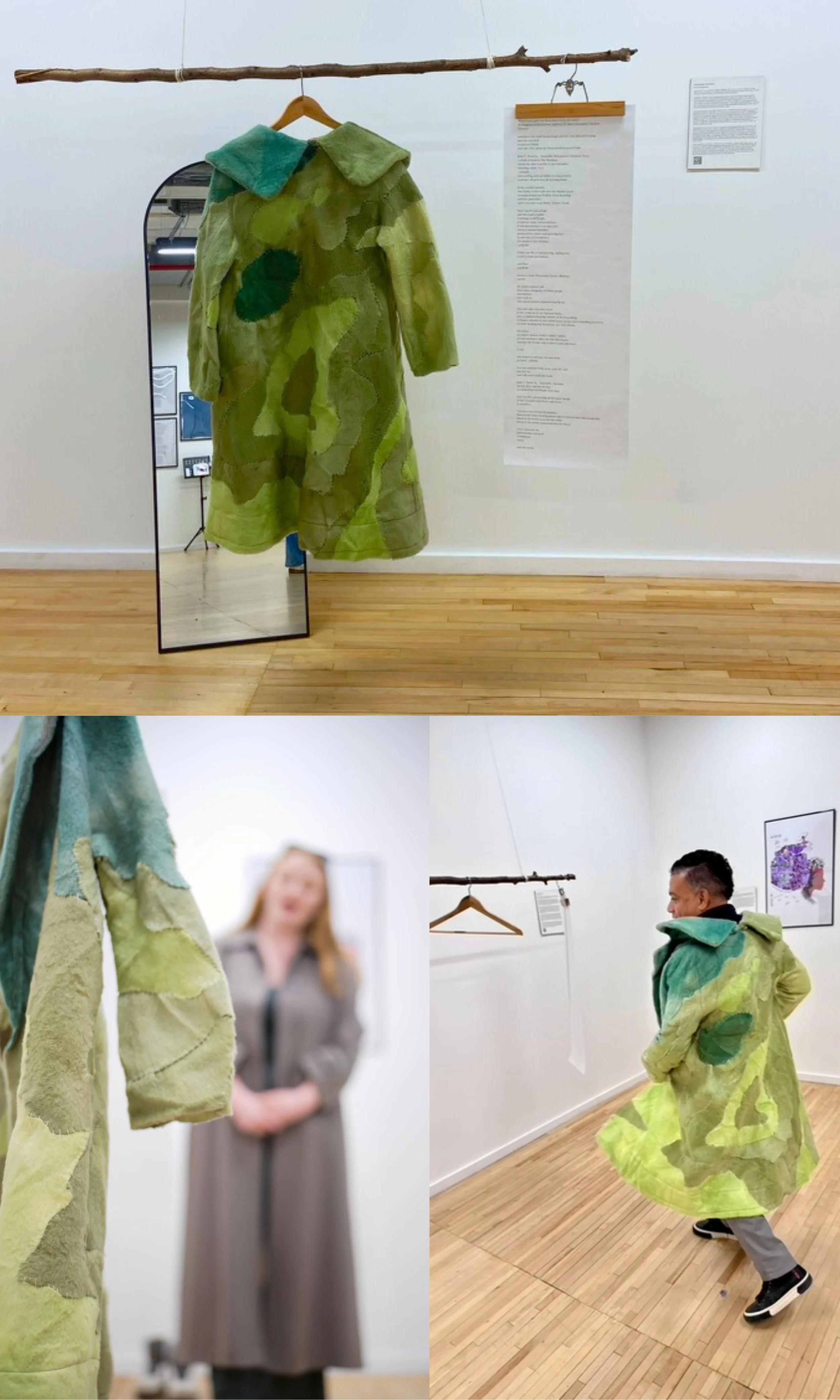
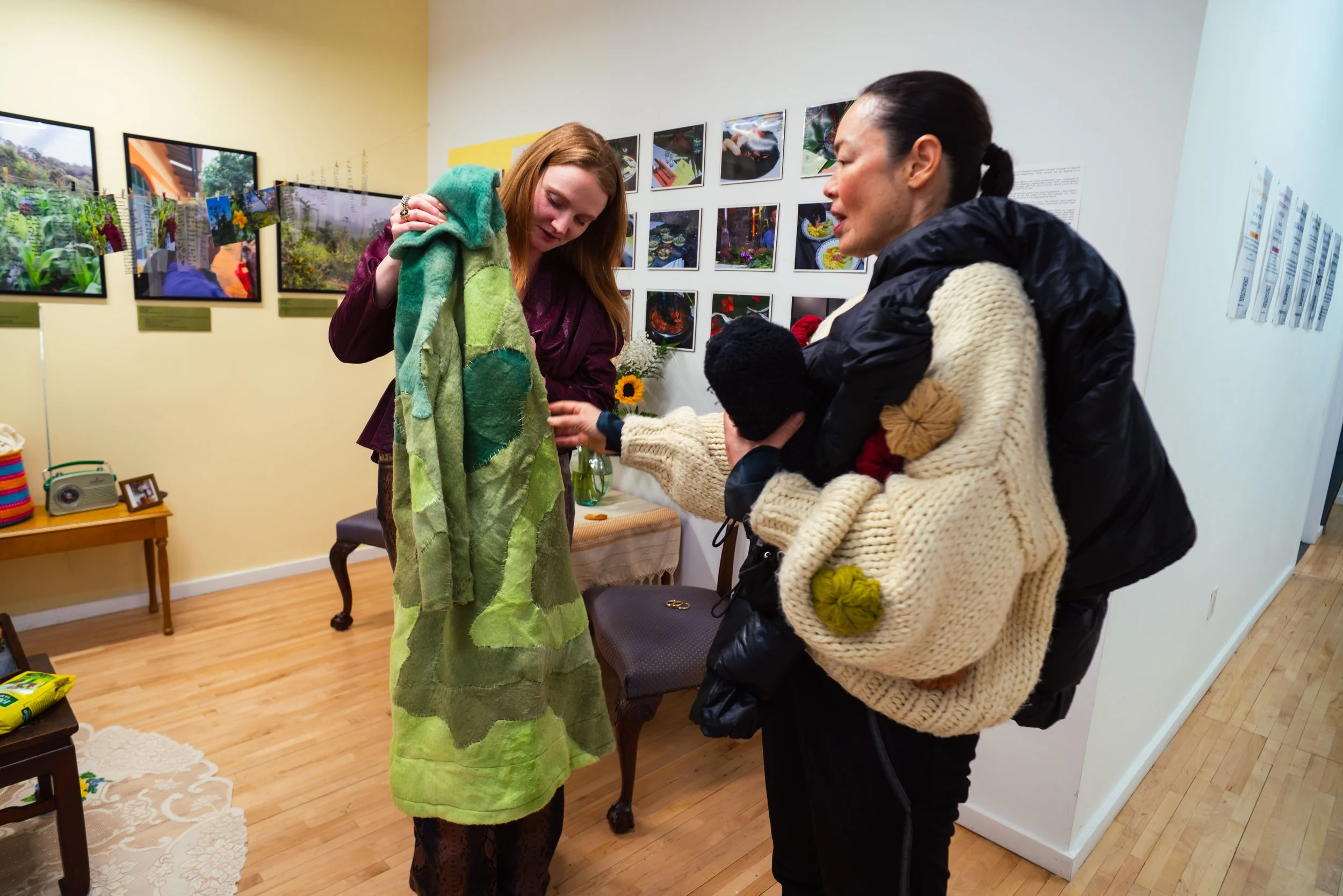
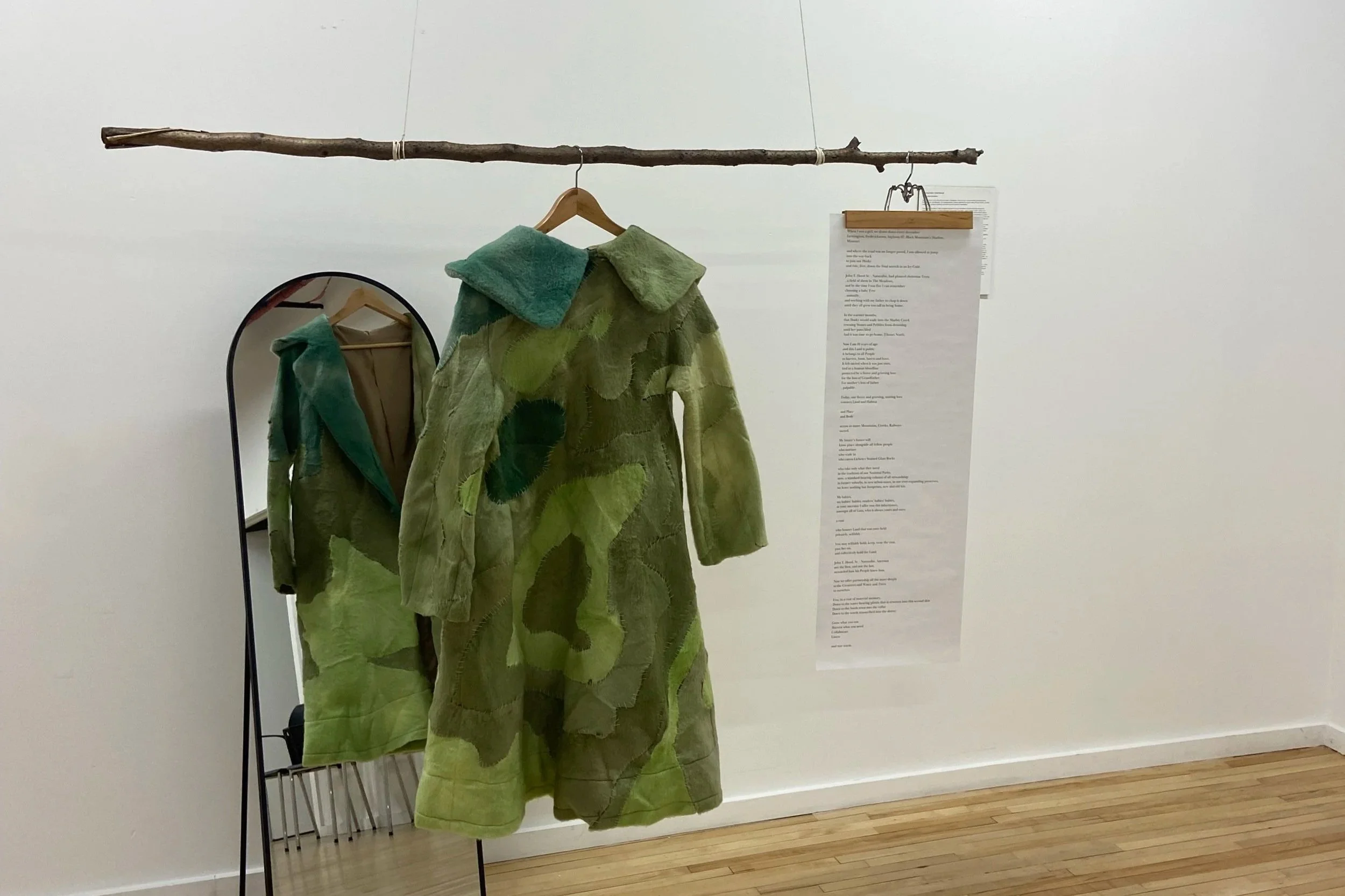
Black Mountain Toposomatic Coat in “The Speed of Fashion” The Crow’s Nest, Baltimore, USA 2024 (Artist, group show)
Select Exhibitions
September 2025 at New York Climate Week,
continuing through February 2026 in NYC
Curatorial Work
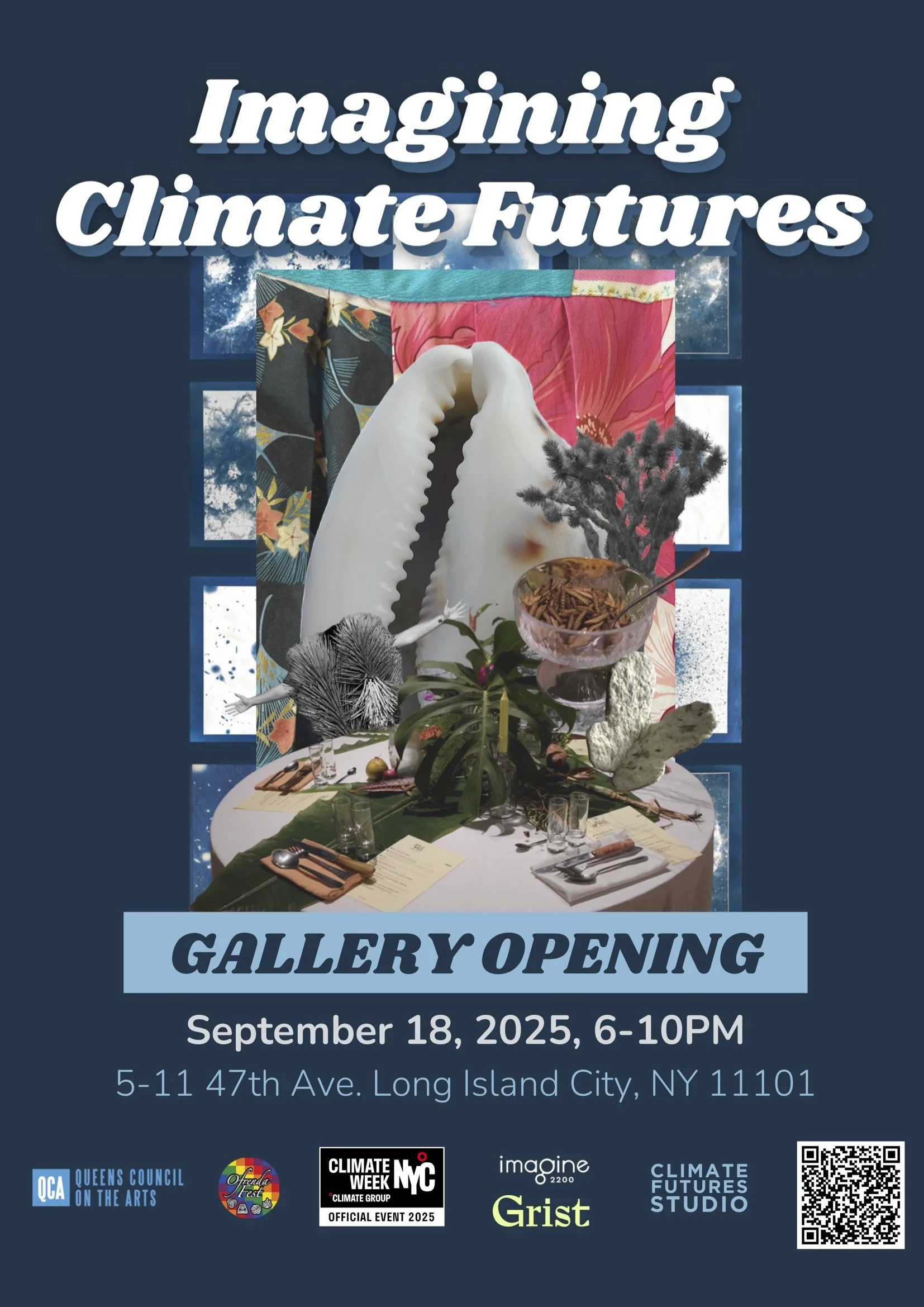
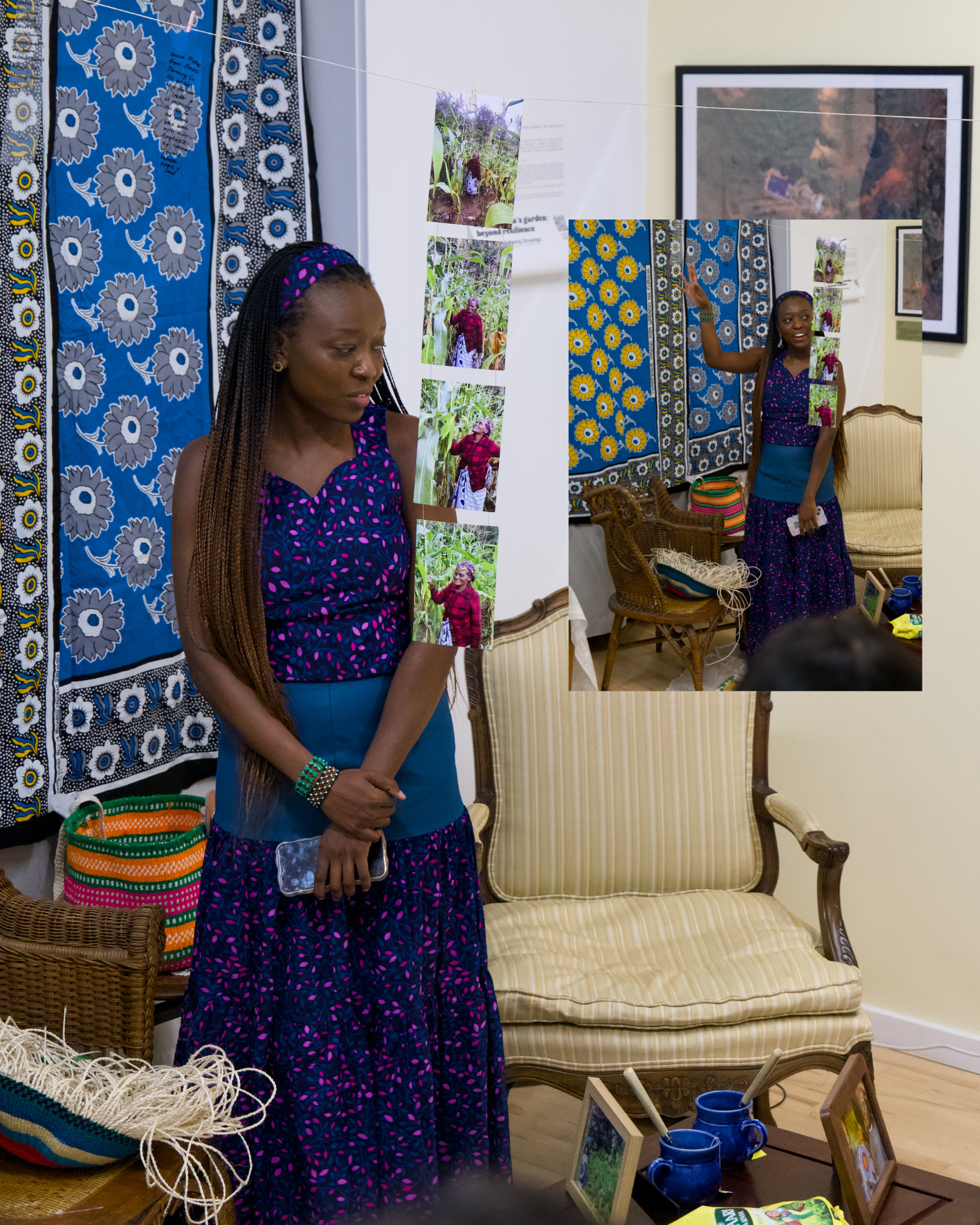
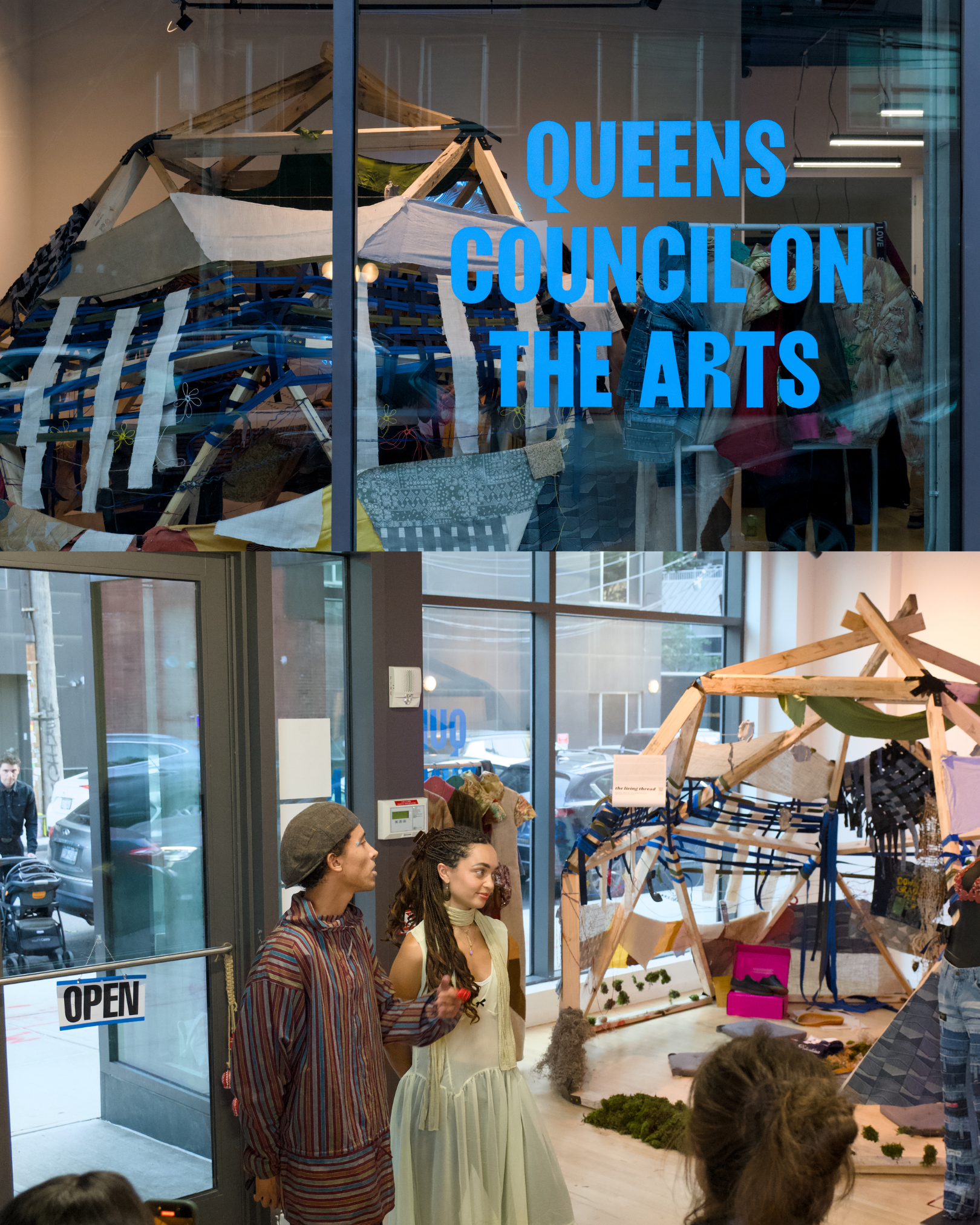
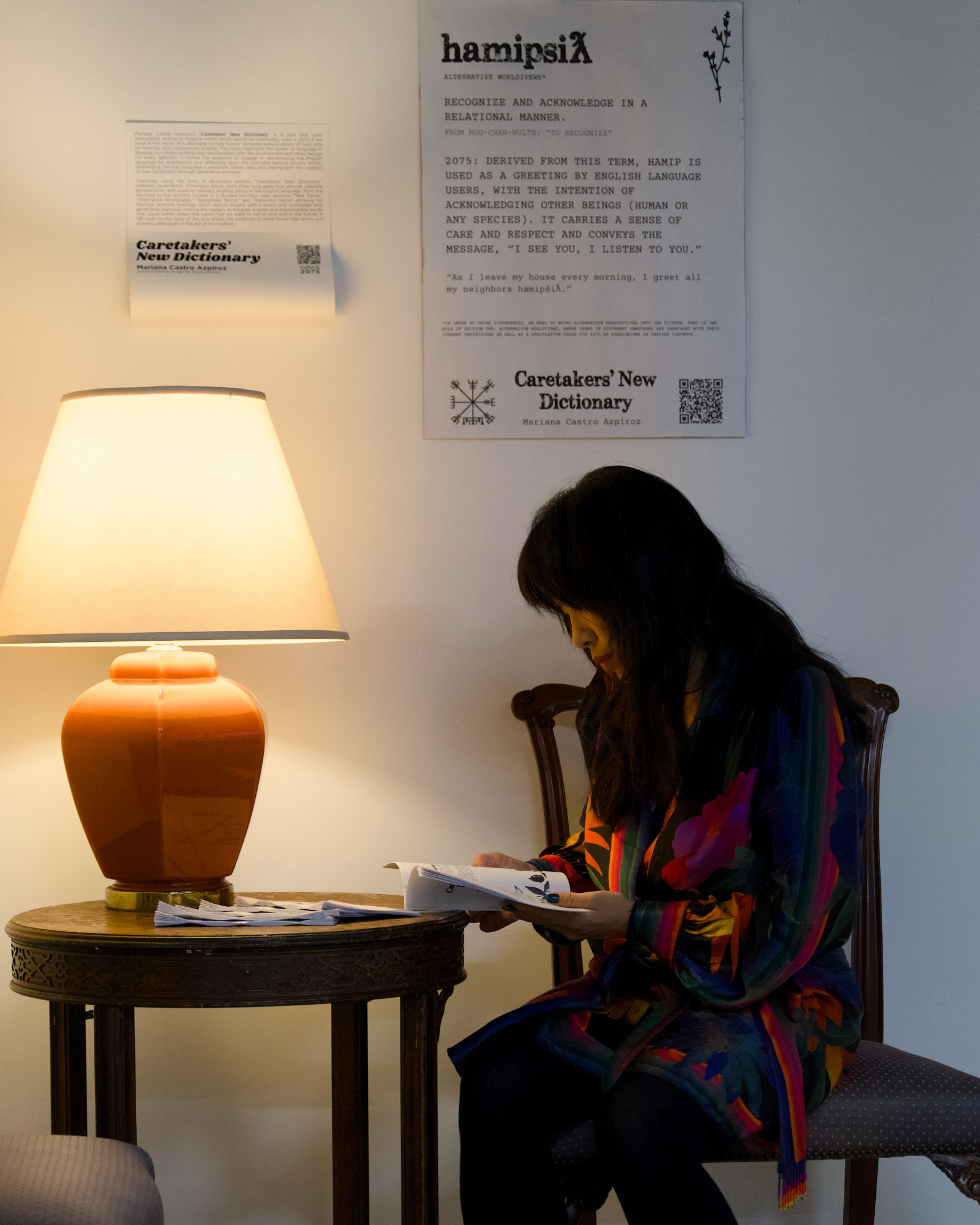
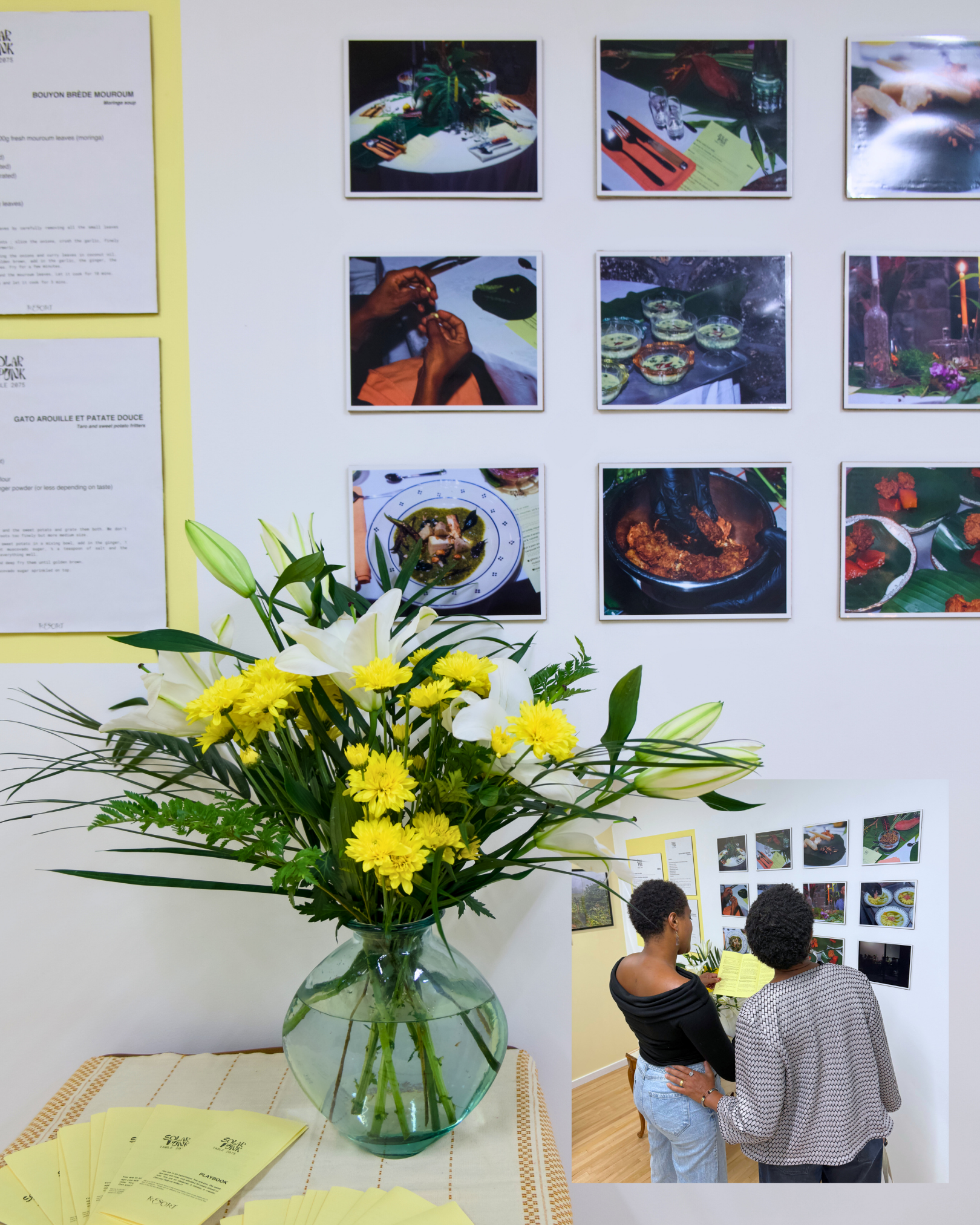
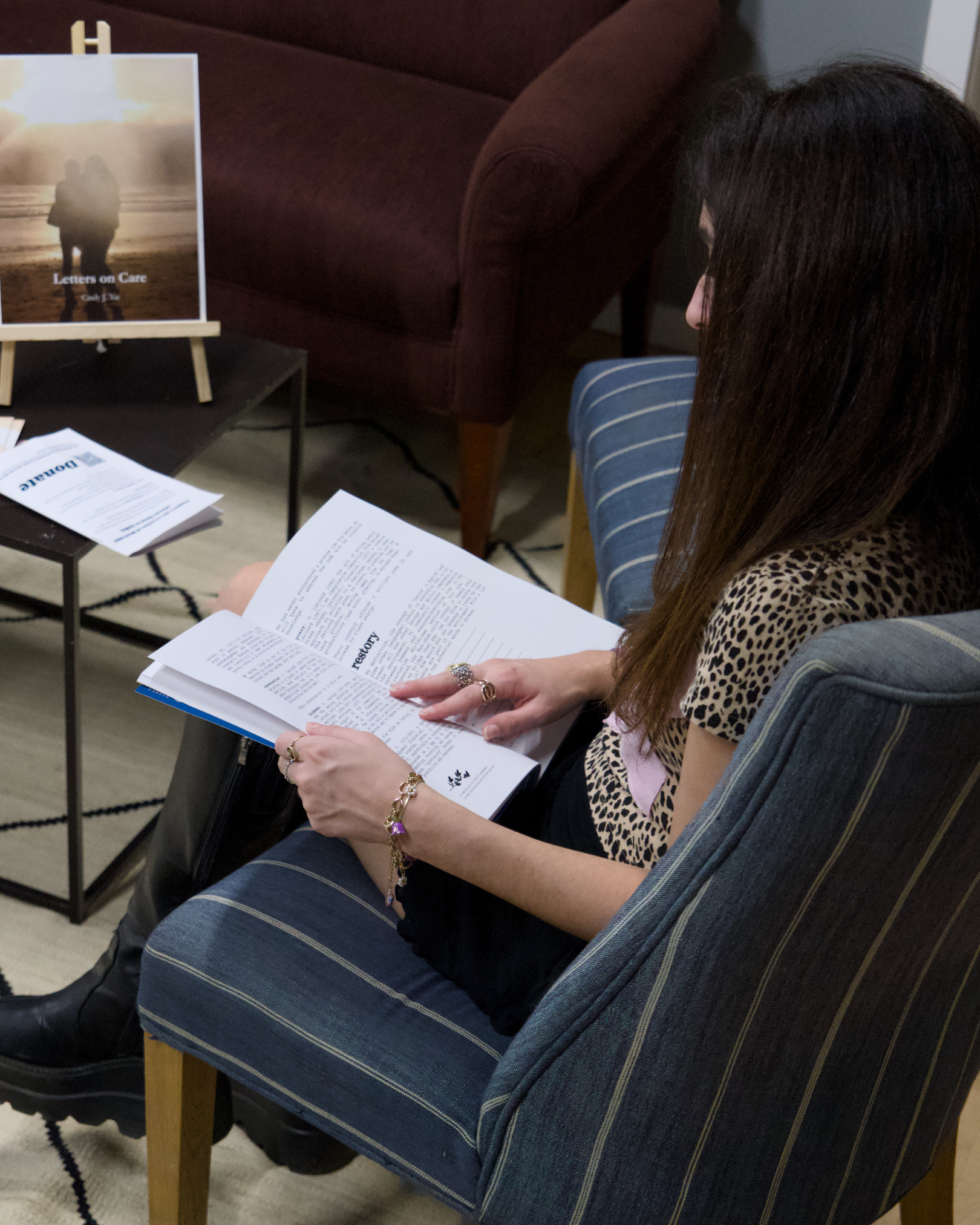
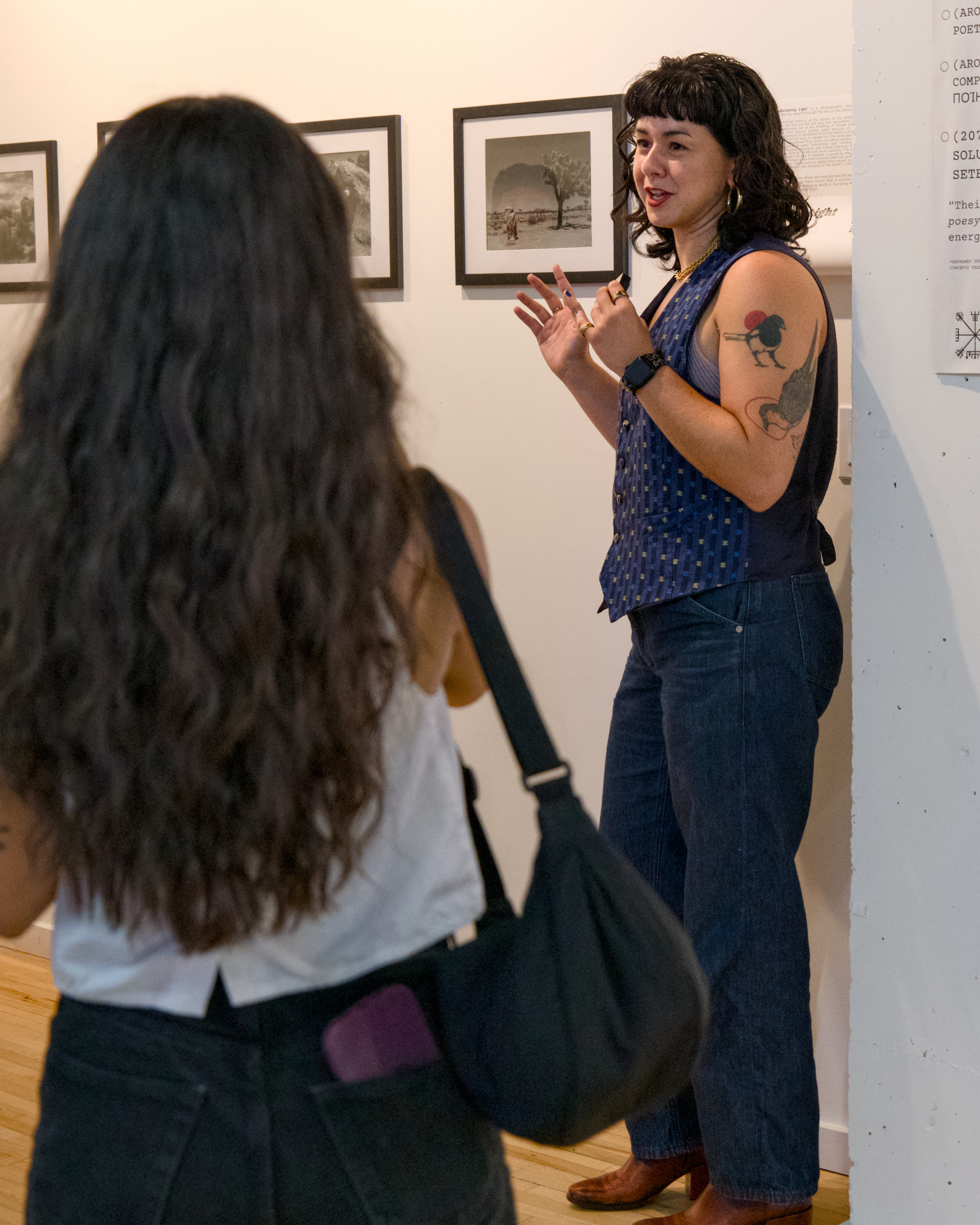
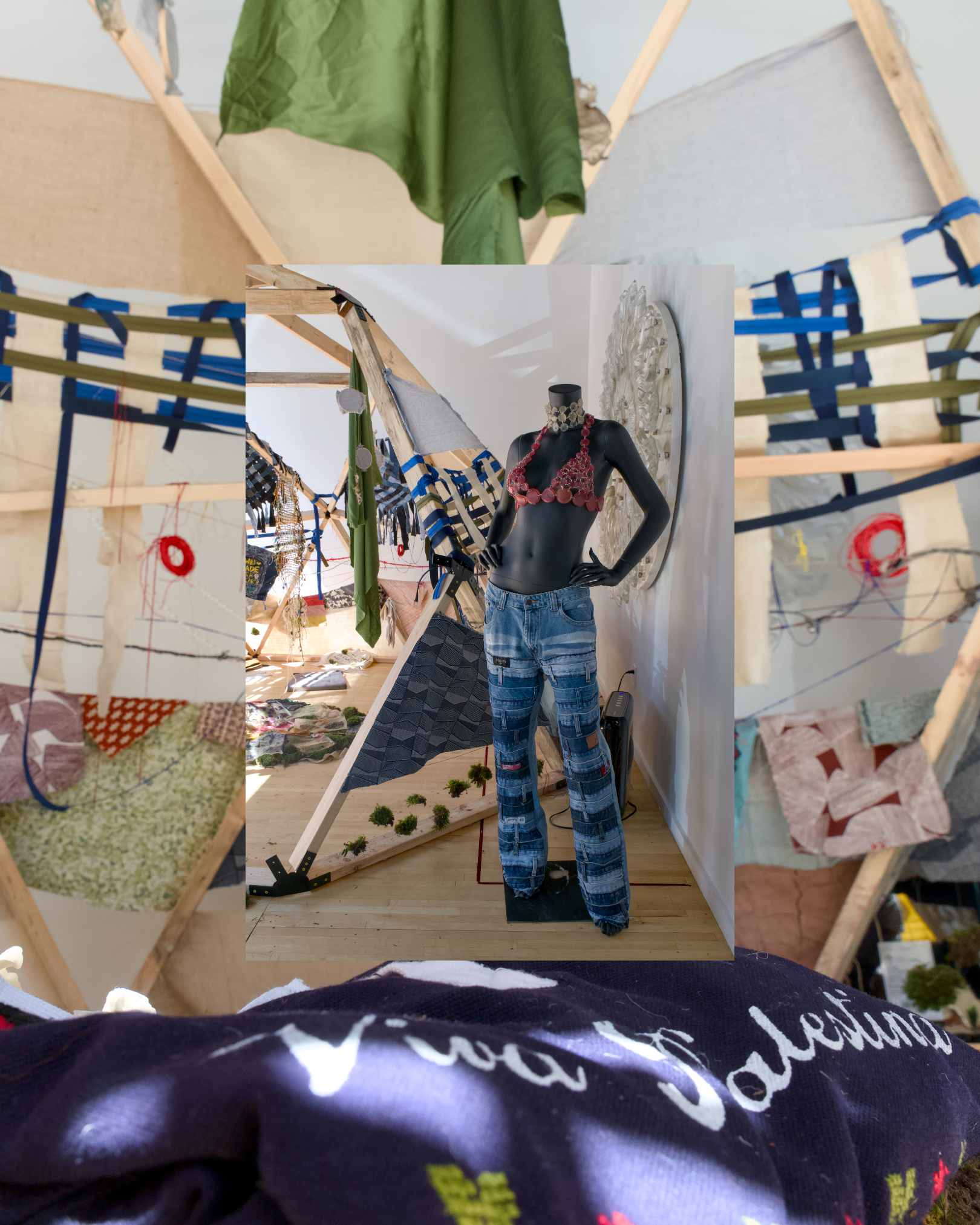
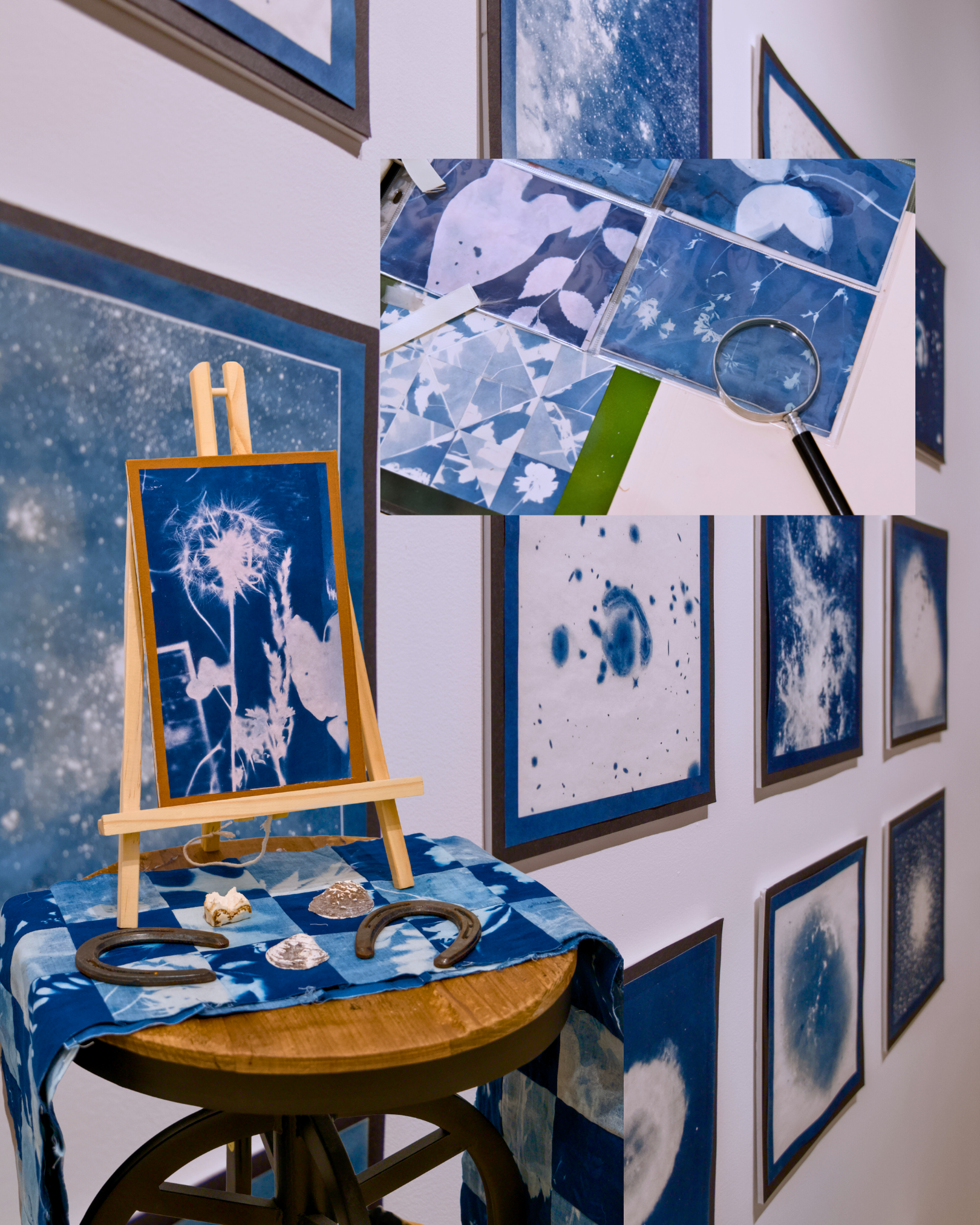
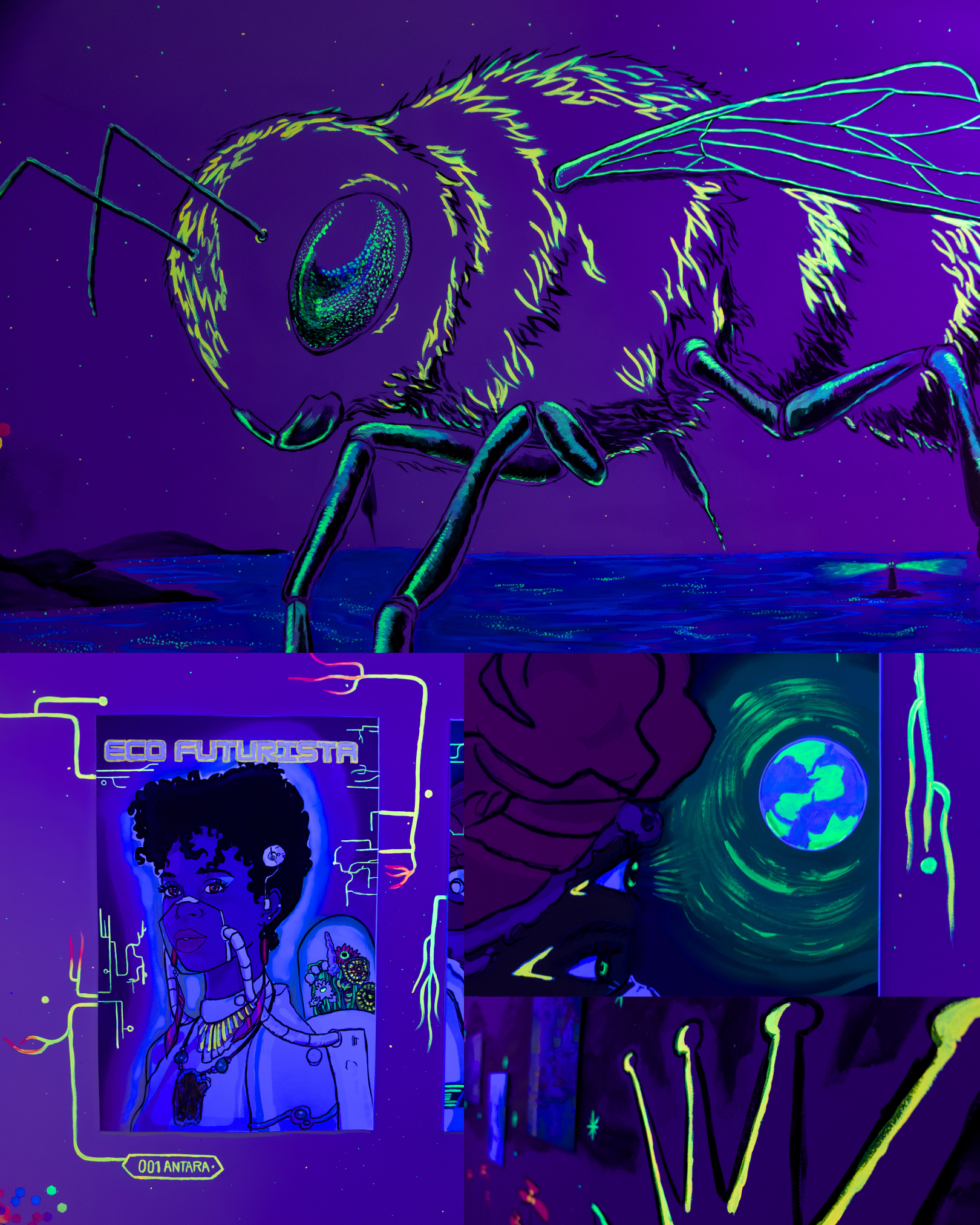
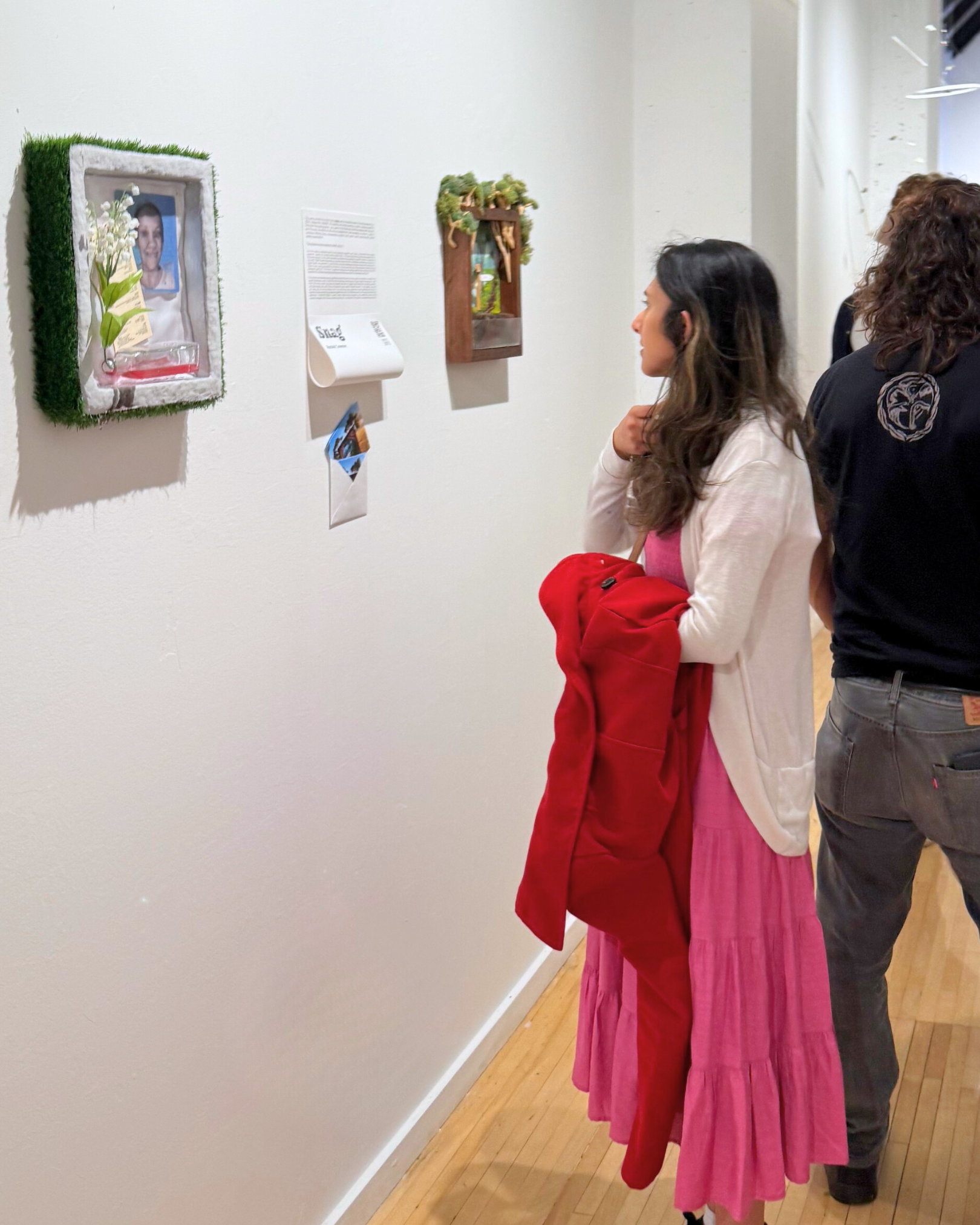
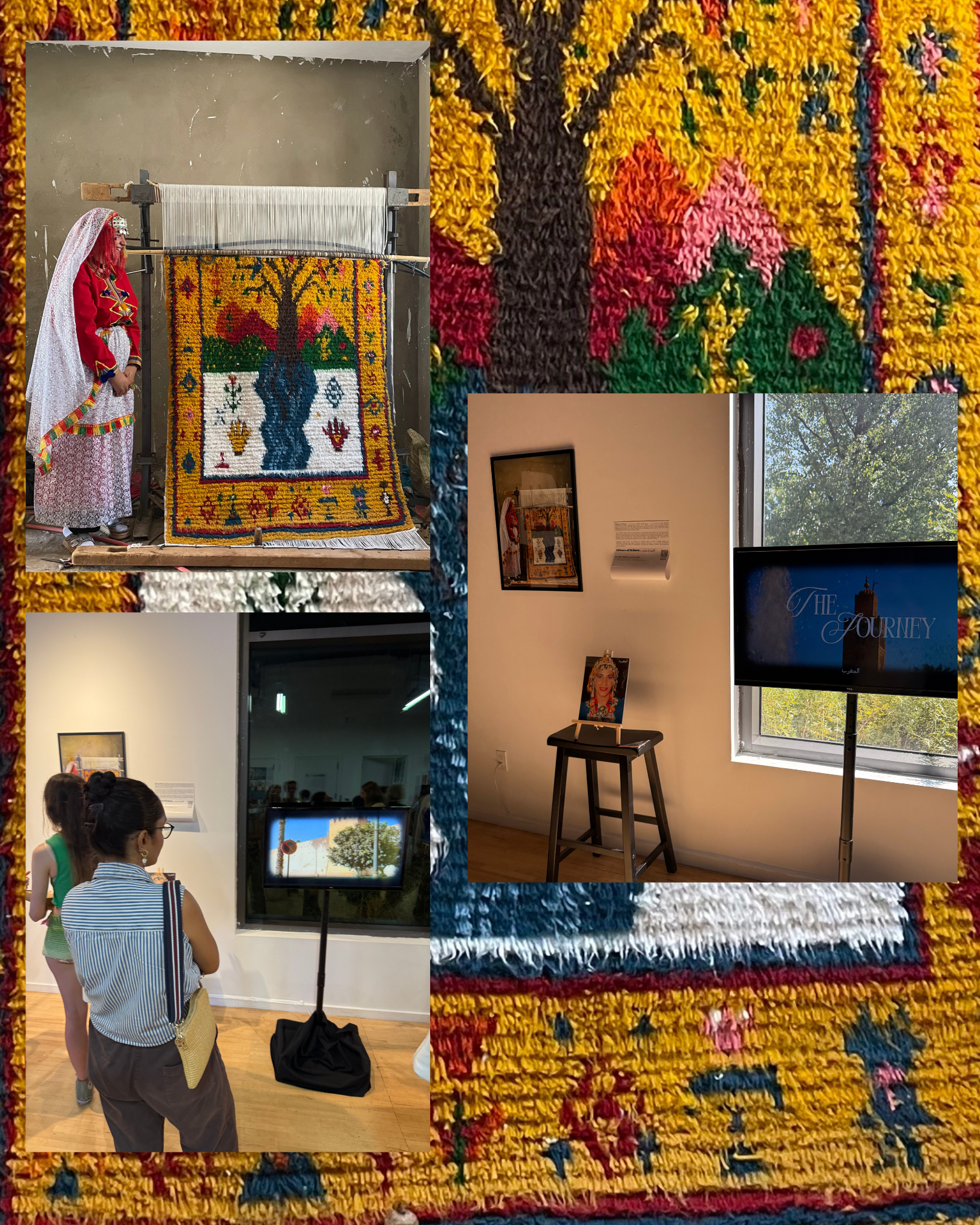
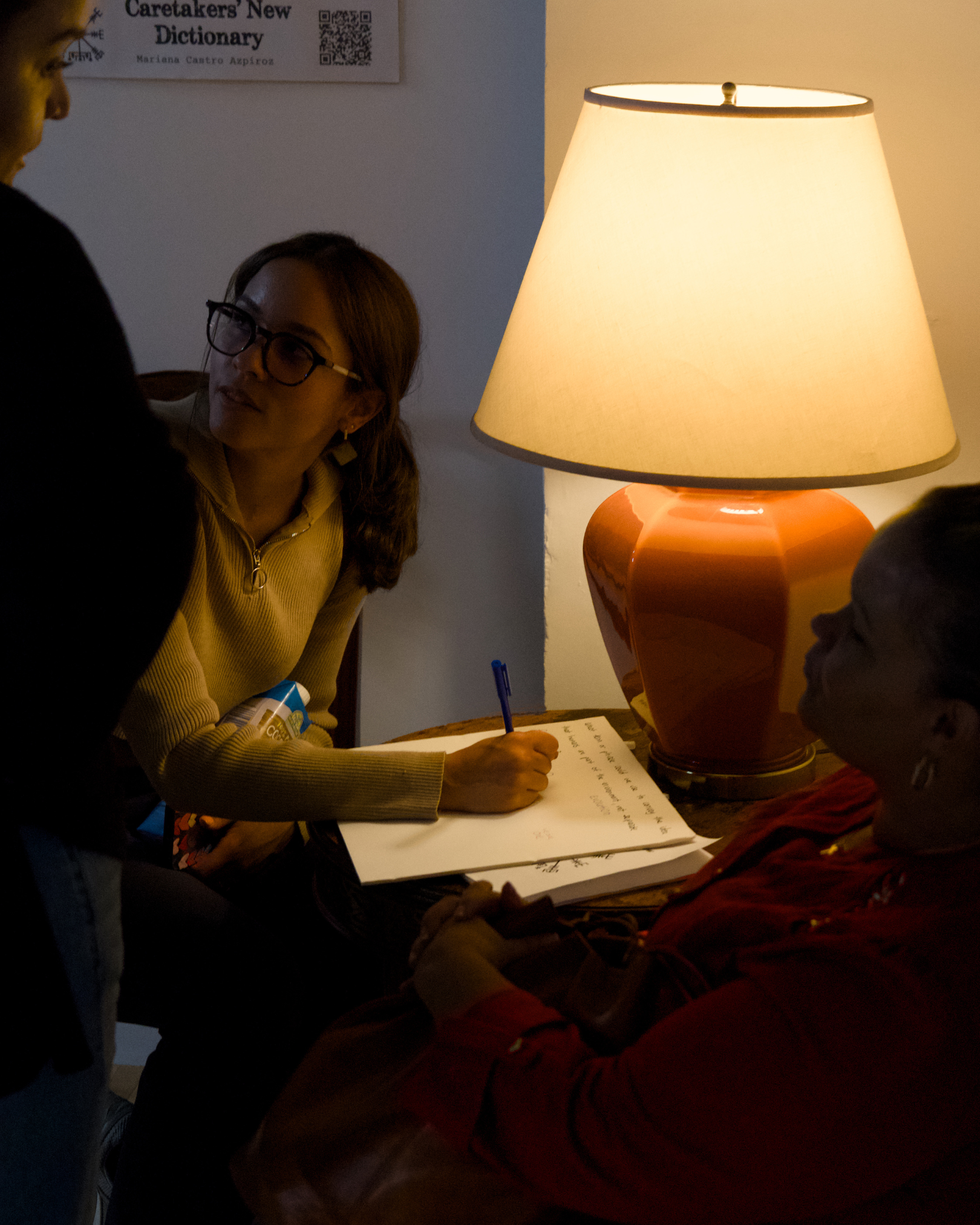
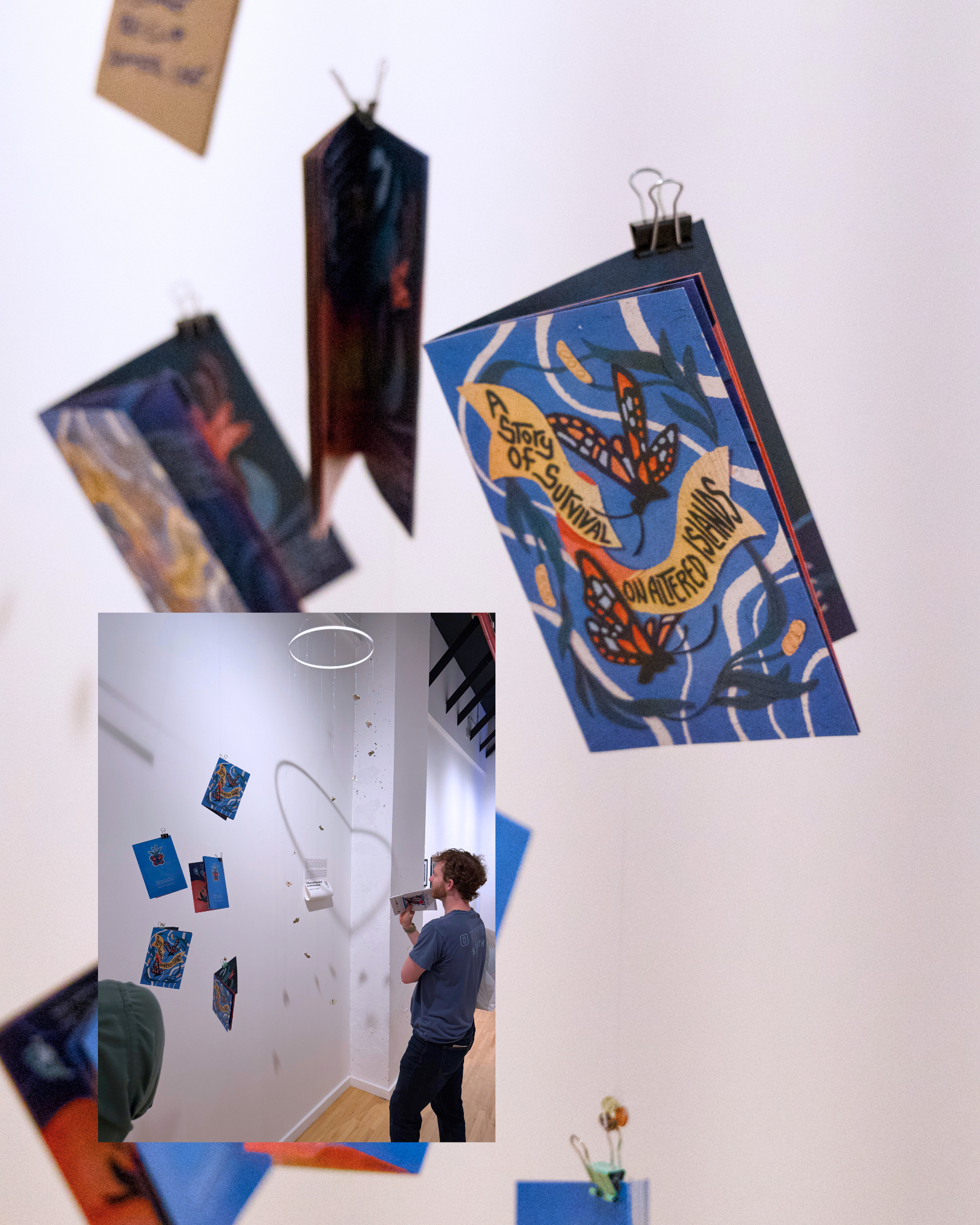
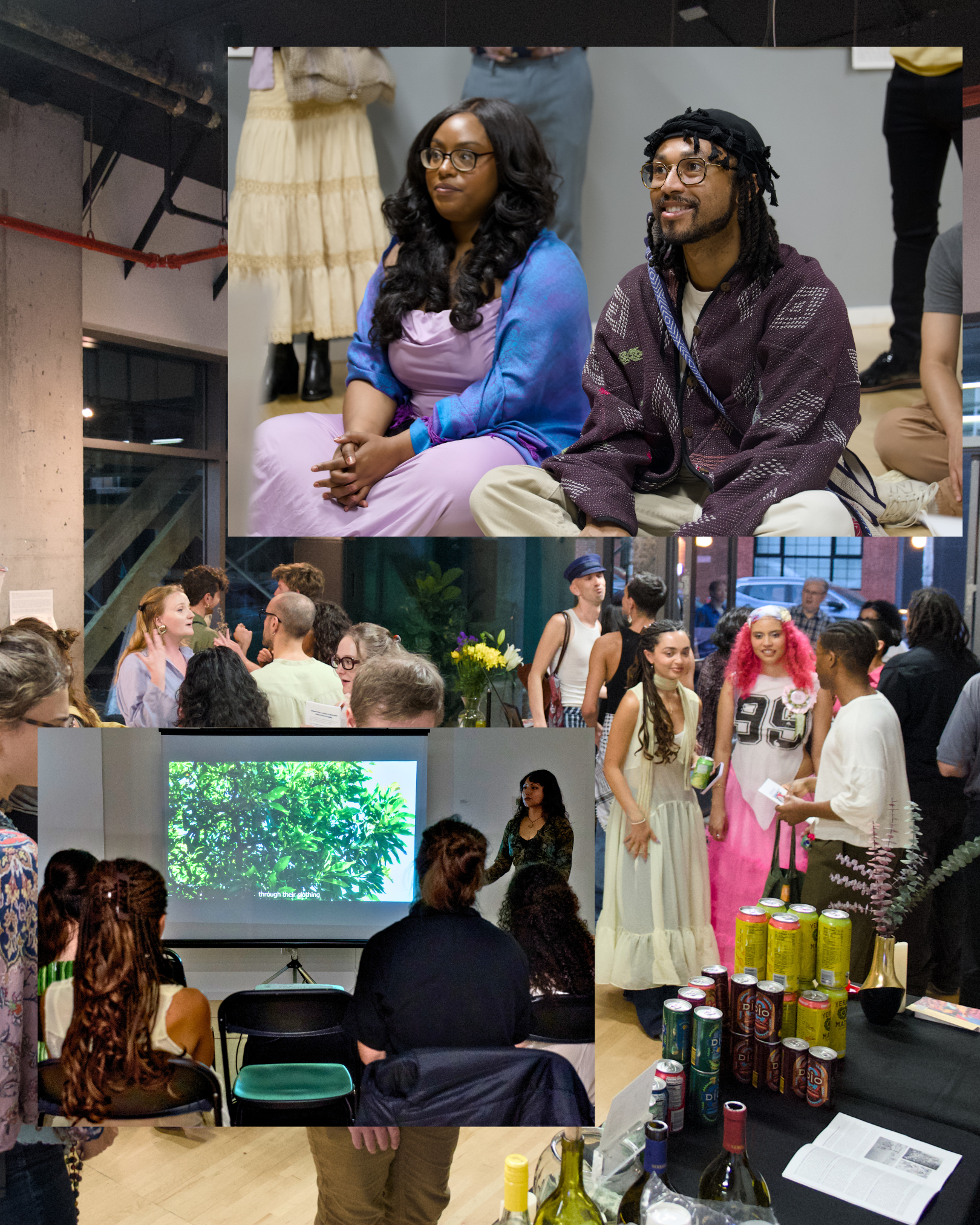
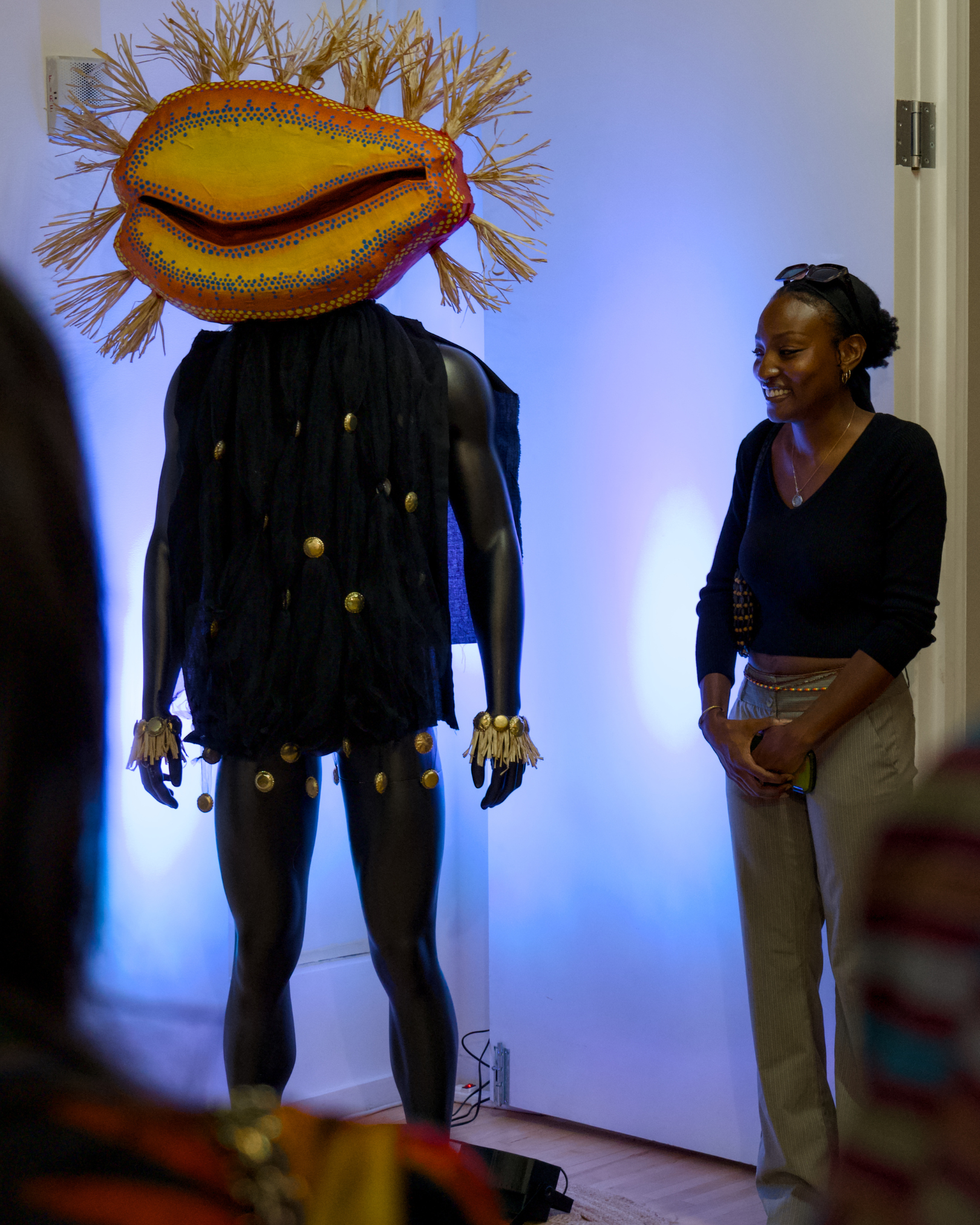
Climate Futures Studio, in collaboration with Ofrenda Fest, presents Imagining Climate Futures, its annual exhibit during Climate Week NYC 2025. The gallery opens Thursday, September 18 at 6:00 PM at the Queens Council on the Arts in Long Island City, and runs through the week as part of the citywide Climate Week programming, extending through February 15, 2026.
Imagining Climate Futures showcases 18 original works created by members of the 2025 Climate Storytelling 2075 Cohort—emerging artists, writers, and activists who envision a regenerative and just climate future fifty years from now.
Visitors will experience a broad range of media—from immersive sound environments and video installations to data-driven visuals, short speculative fiction, and textiles—that ask audiences to envision, and sense, the inevitable outcomes of environmental justice, community resilience, and interspecies kinship.
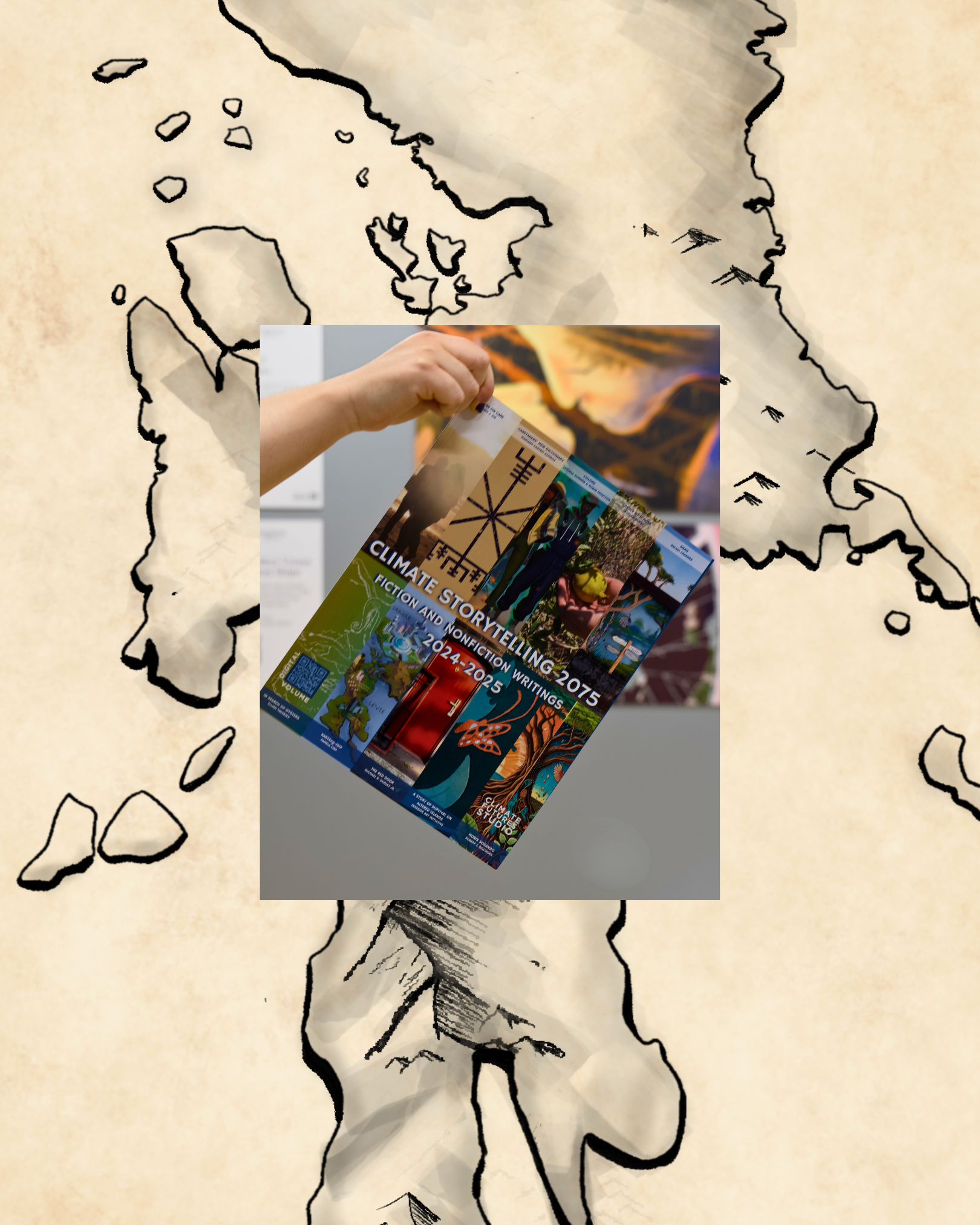
This exhibit marks the public premiere of Volume II of the Climate Storytelling 2075 anthology — Volume I launched during New York Climate Week 2024. Expect deeply imaginative, hopeful, and regenerative responses to the question: How do you envision a desirable climate future in the year 2075?
This exhibit arrives as an official Climate Week NYC event, the largest annual climate event aligned with the United Nations General Assembly, running this year from September 22–29. Climate Week hosts over 600 related events across New York City, amplifying voices across business, government, and the climate justice movement. By centering frontline youth visionaries in speculative and optimistic climate narratives, Imagining Climate Futures complements broader conversations about climate equity, policy action, and cultural transformation. As attendees engage with each work’s message, they step into collective imaginings of irresistable and inevitable futures—and find their role in making it real.
About Climate Futures Studio
Climate Futures Studio fosters a new climate storytelling practice, partnering with frontline youth and communities to produce multimedia works that envision hopeful futures grounded in justice and regeneration. The Studio’s Climate Storytelling 2075 programme champions solutions-driven speculative narratives to open collective space for climate imagination.
Select visual works
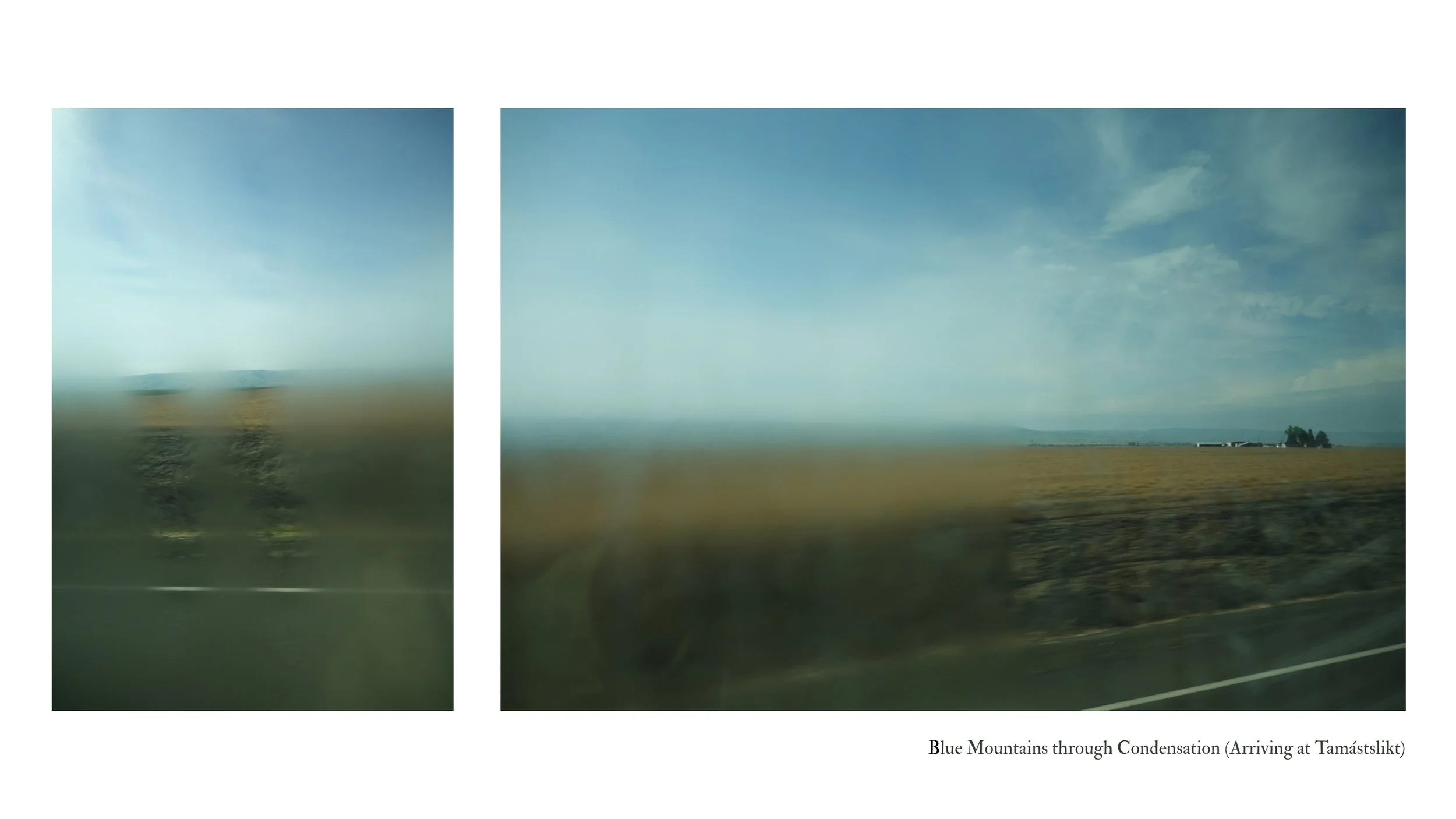
“MAKE BEACH MORE NATURAL (after Maya Lin")” by Laken Sylvander is a looping digital film that collages digital footage overlaying a preliminary sketch for the “Story Circles” Confluence Project by architect Maya Lin. Filmed on the basalt beach at Sacajawea State Park in Pasco, WA , feet away from Lin’s “Circle G: Seasonal Rounds,” the work meditates on how settler alteration of landscape changes native shorelines. The current watery borders of Sacajawea State Park, at the confluence of the Columbia and Snake rivers, are raised 22 ft from their original level by the nearby Ice Harbor Dam on the Snake River. The basalt beach featured in the digital video and directly referenced in Lin’s preliminary sketch of the site of “Story Circles” is a human-made beach, performing an organic access point to water for visitors to the park. Lin’s note to “make beach more natural” evokes the role of artist as simultaneous curator of landscape. The footage on the right focuses on a stone the artist removed from its submerged point a few feet deep and relocated with her foot to the transition point from river water to basalt sand. The stone is therefore curated, much like the composition of the shot. If the water has been raised by 22 feet, might this entire beach crave touching air again, to be pulled out from under the river water? The footage is rendered quite transparent to allow Lin’s hand-written note to bleed forward through the footage. On the left, the more opaque footage of a chipped, fan-shaped rock sits slightly further from the waterline, encountering less wave activity. This rock was not moved by the artist, but found in this location. The notion that this shot is less curated is overridden by the reality that the shoreline, the beach itself, is produced, or curated, by settler industrial activity (the dam). What, then, makes a beach, a shoreline, an encounter between air, land, and water, “more natural”?
Awarded winner at the Vernacular Architecture Forum; 05/26/2026
MAKE BEACH MORE NATURAL (after Maya Lin)
digital video collage, 2026
resting place
digital photograph, 2026
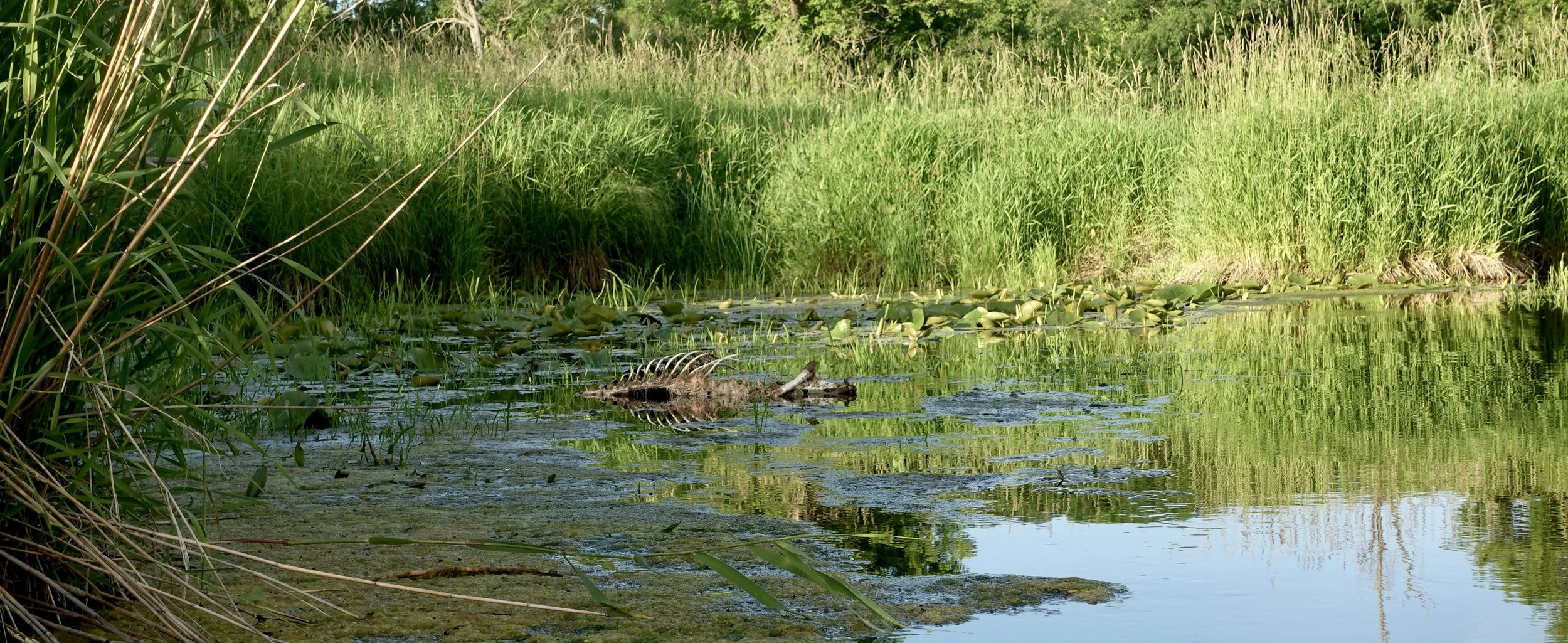
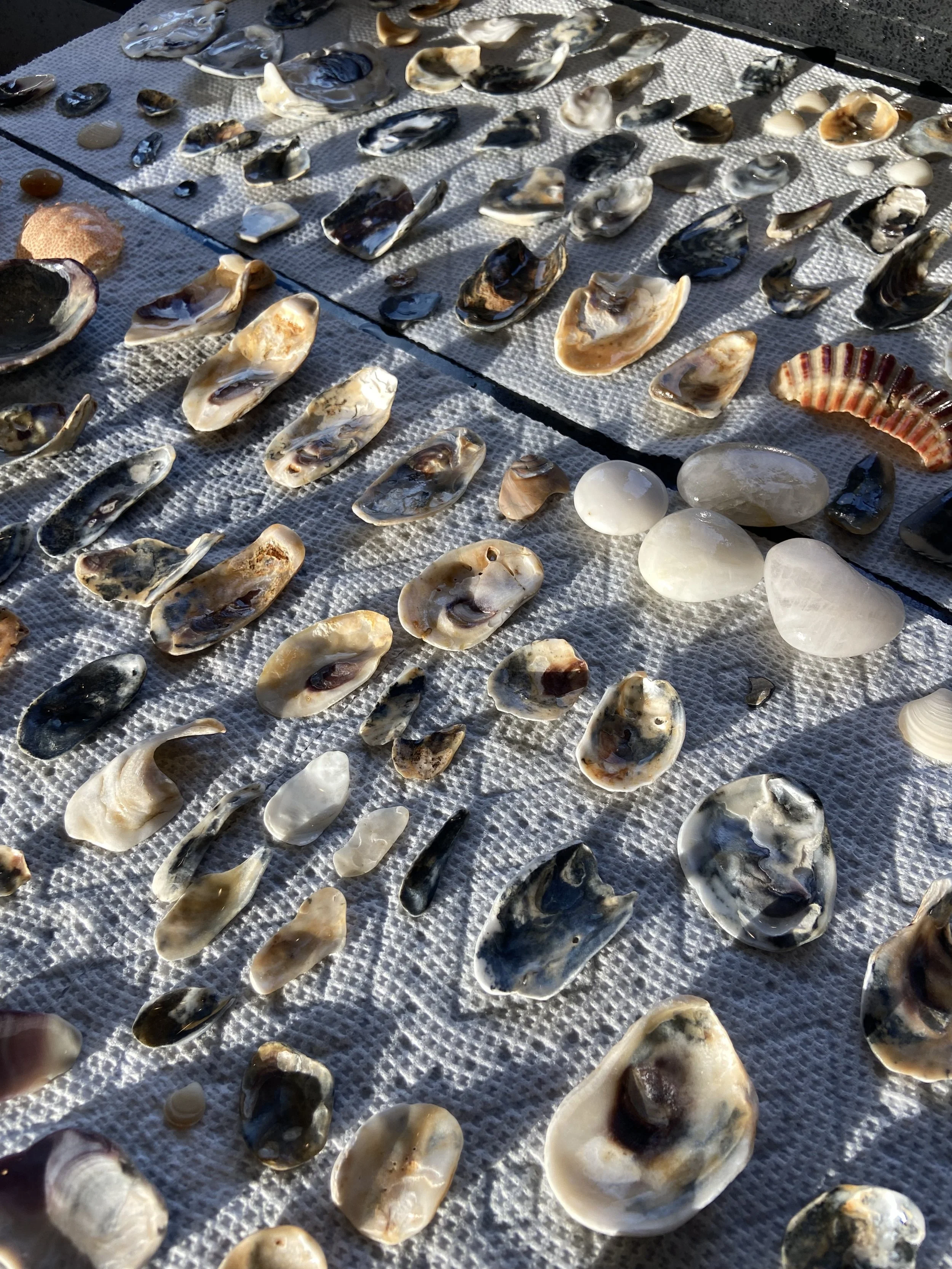
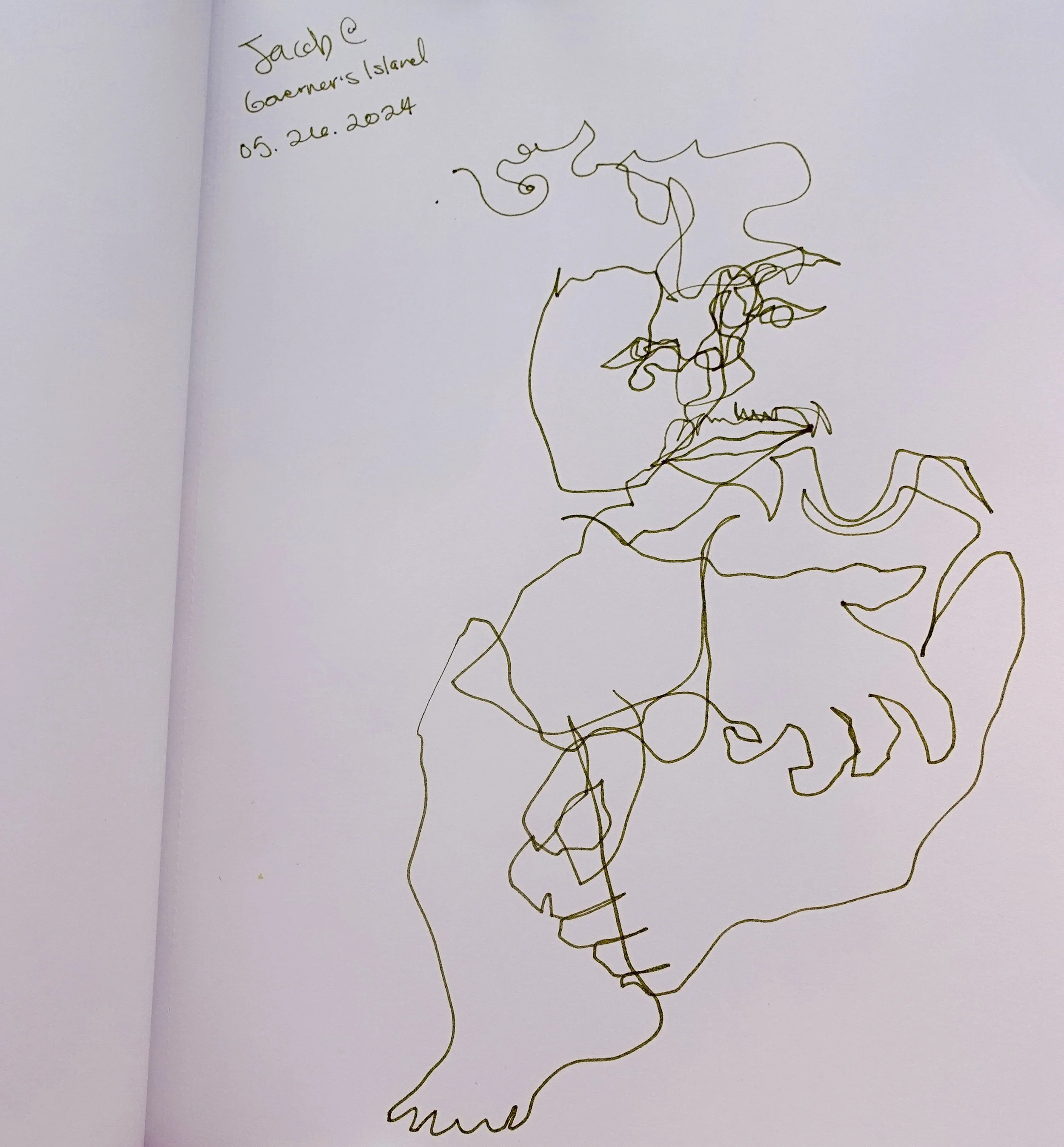
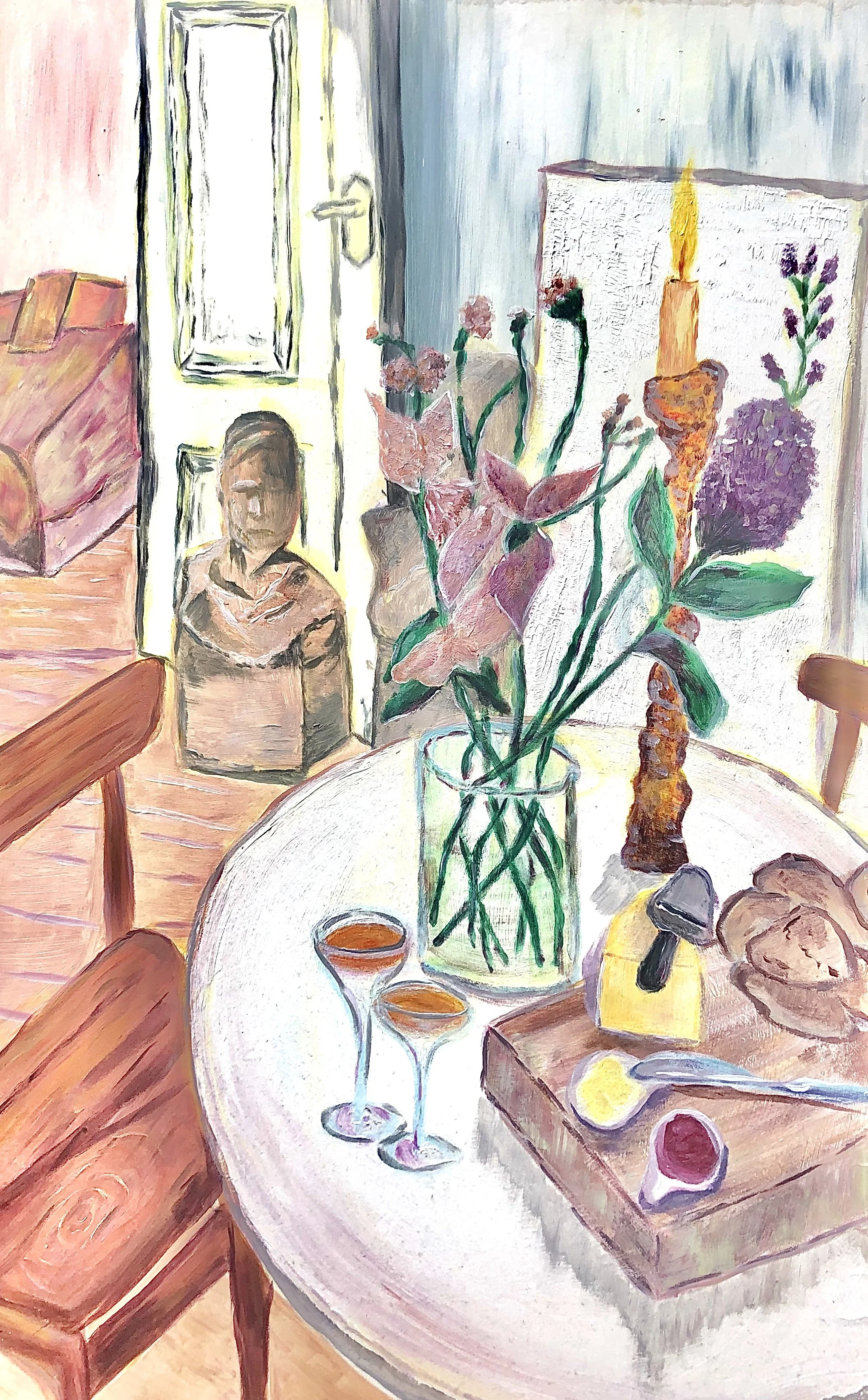
digital video: carved mushroom illustration on shrinky dink
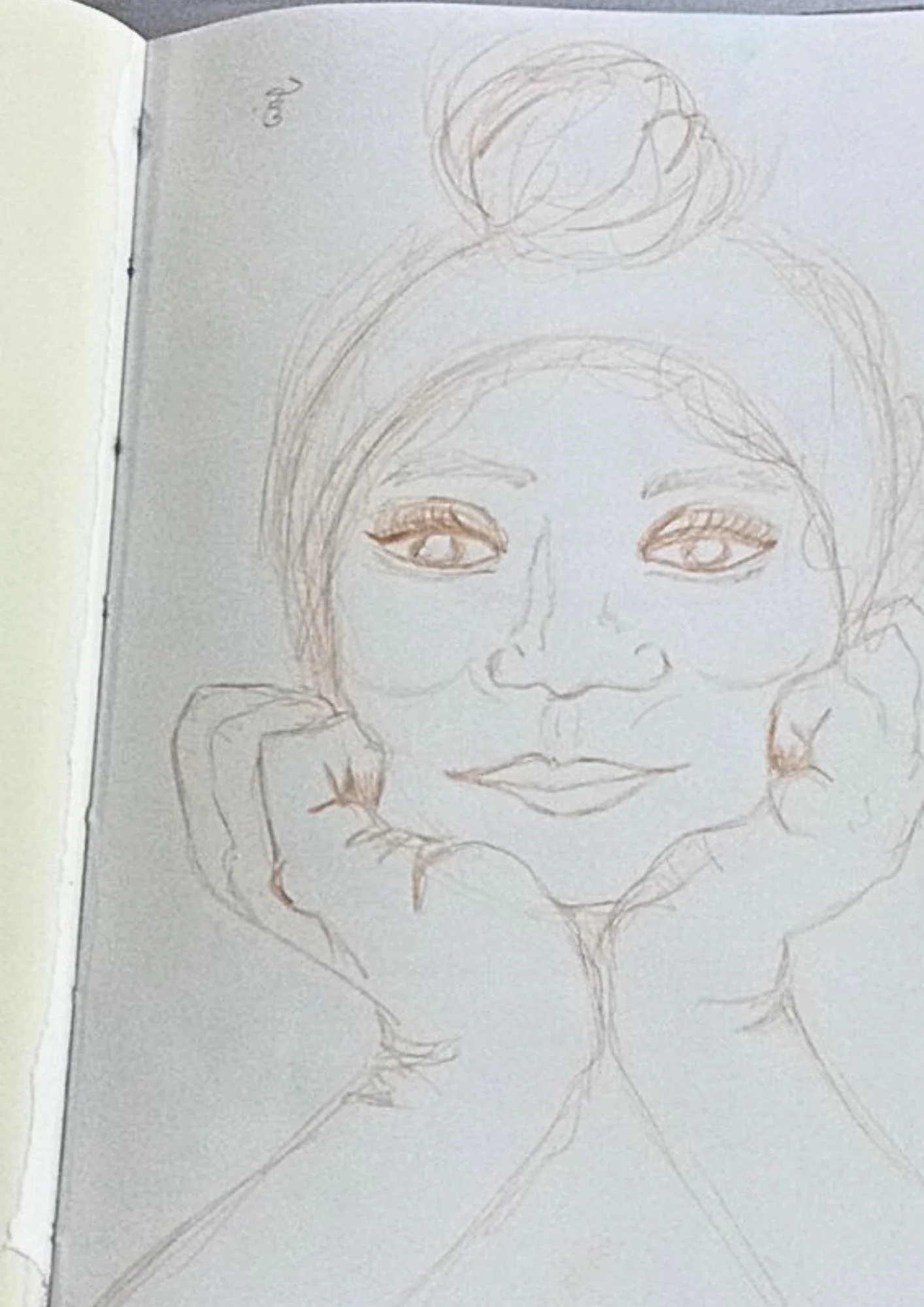
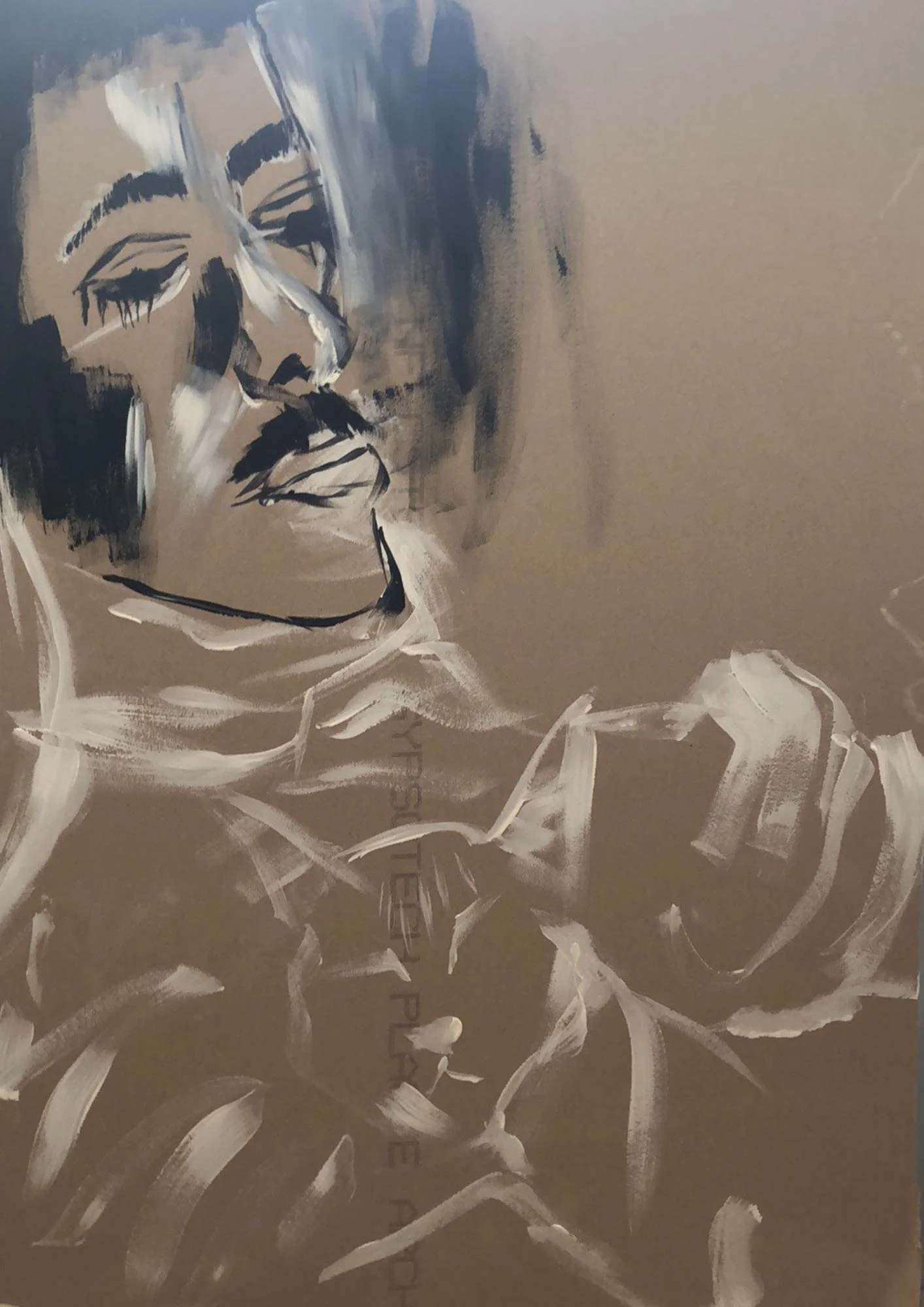
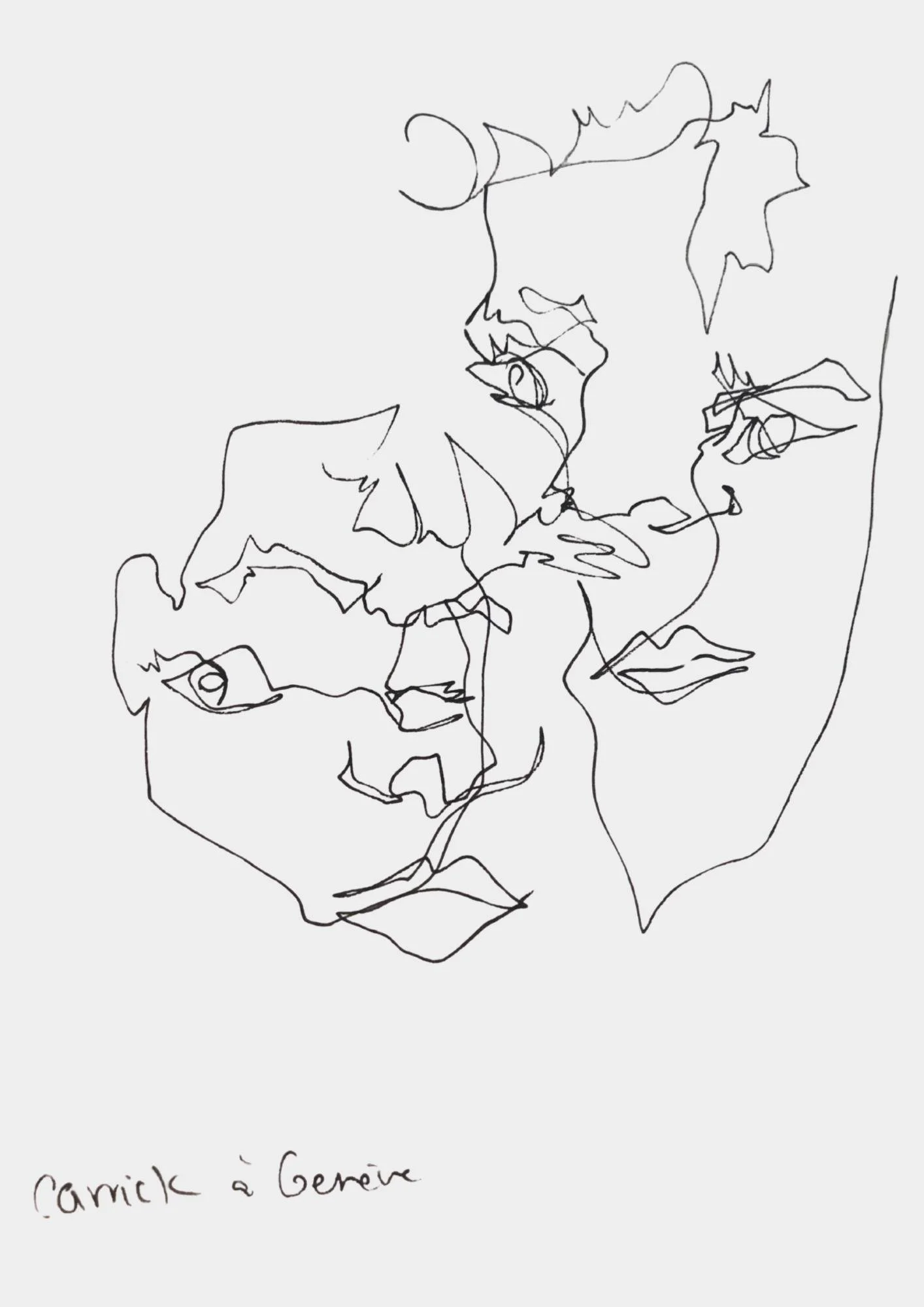
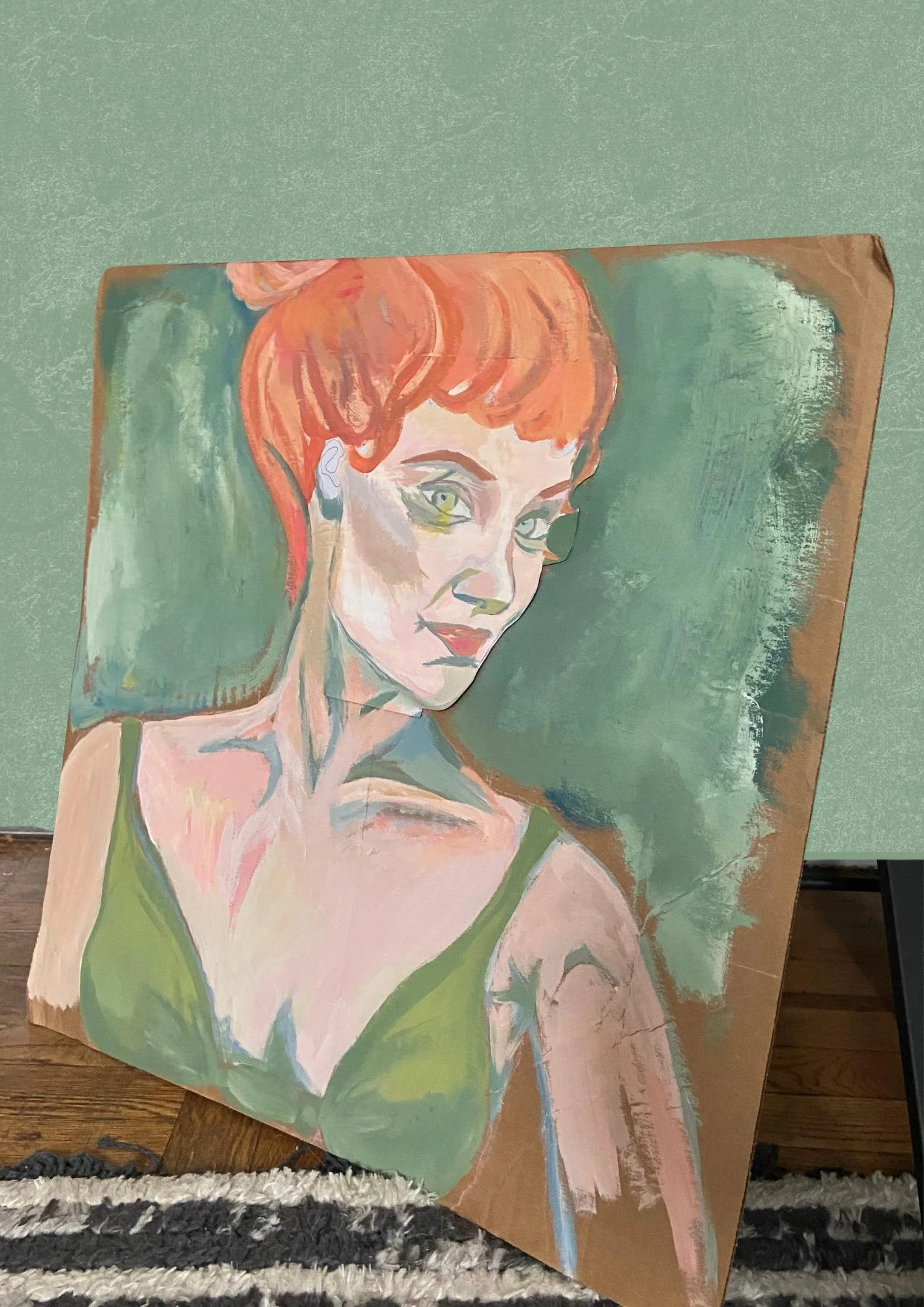
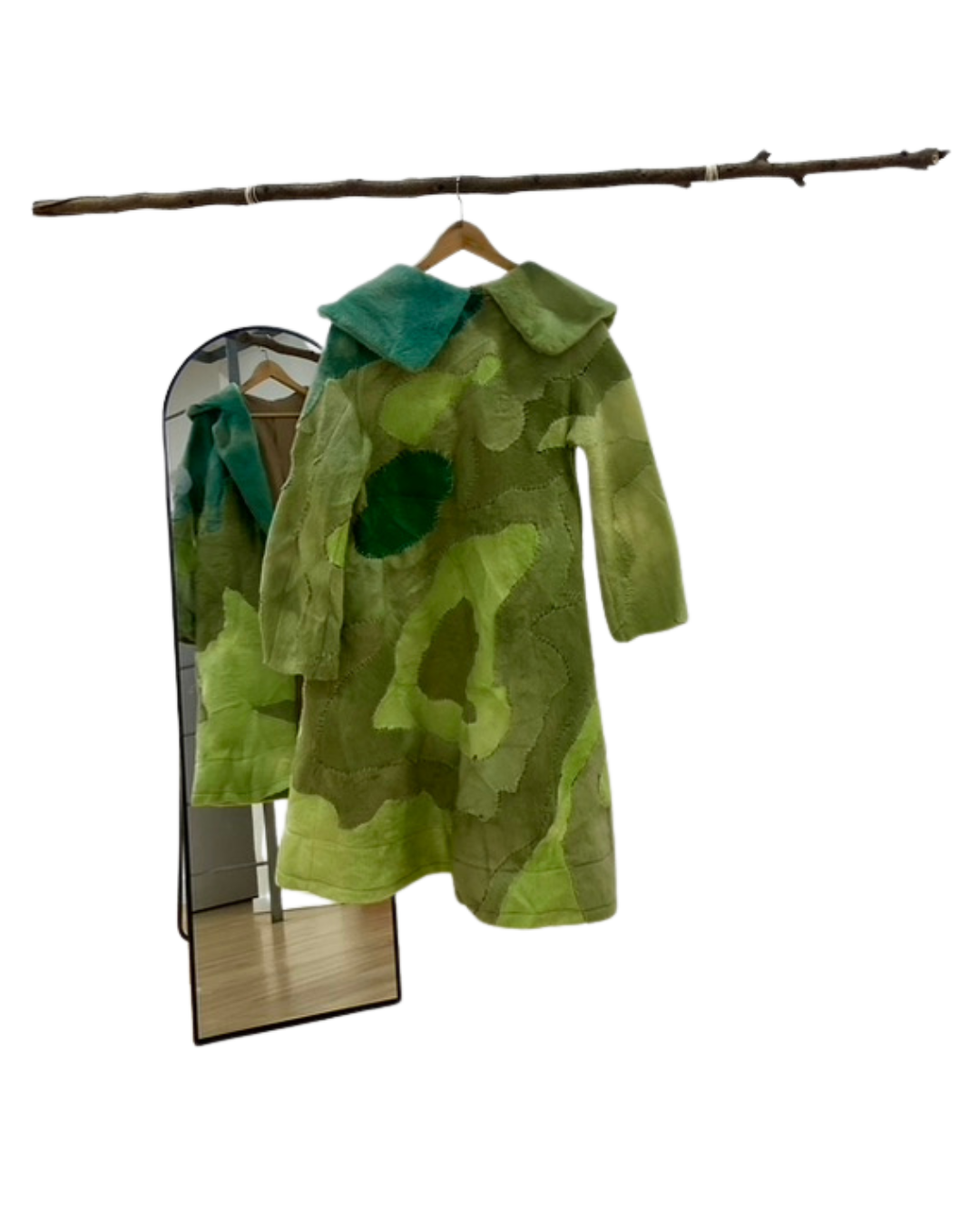
Textile spotlight
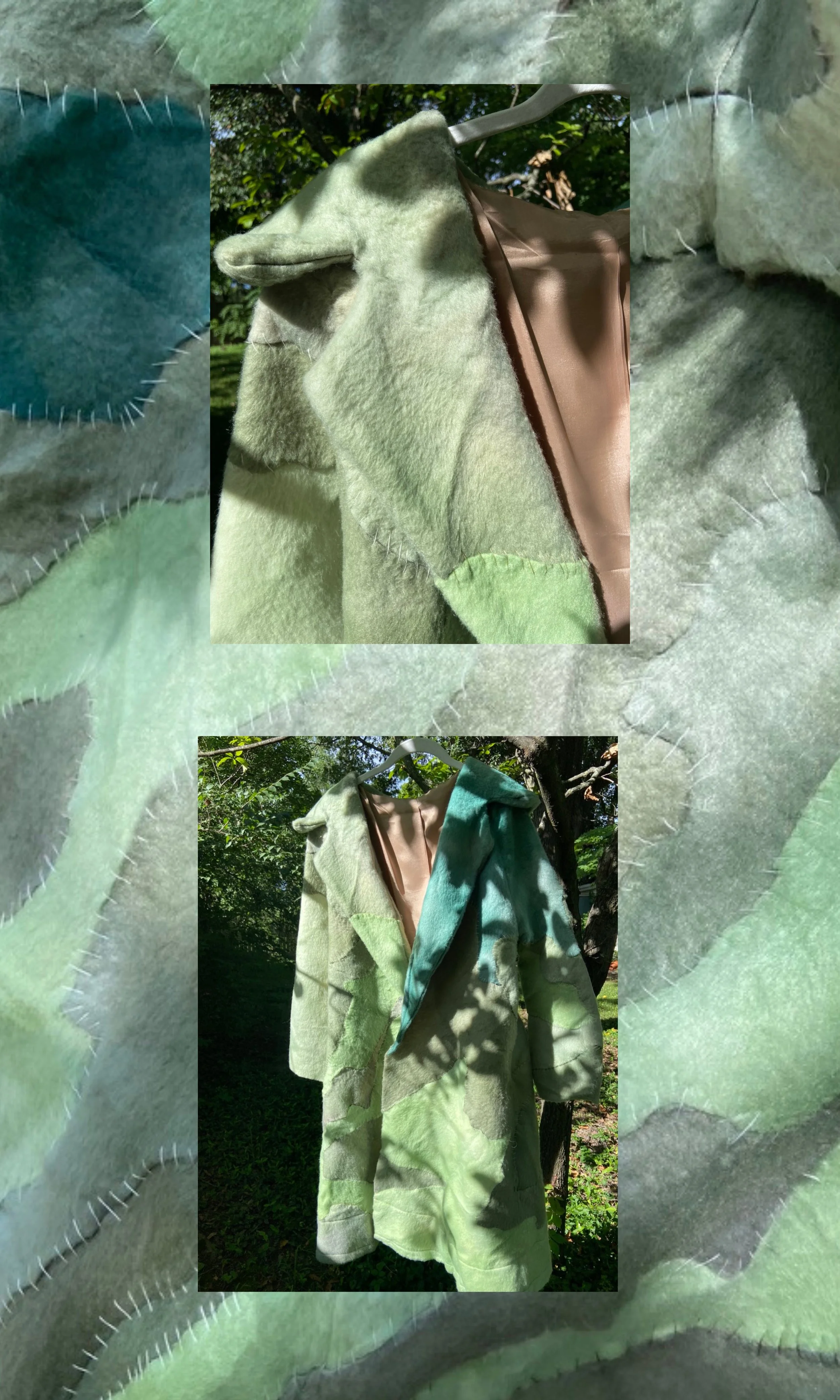
Toposomatic Inheritance
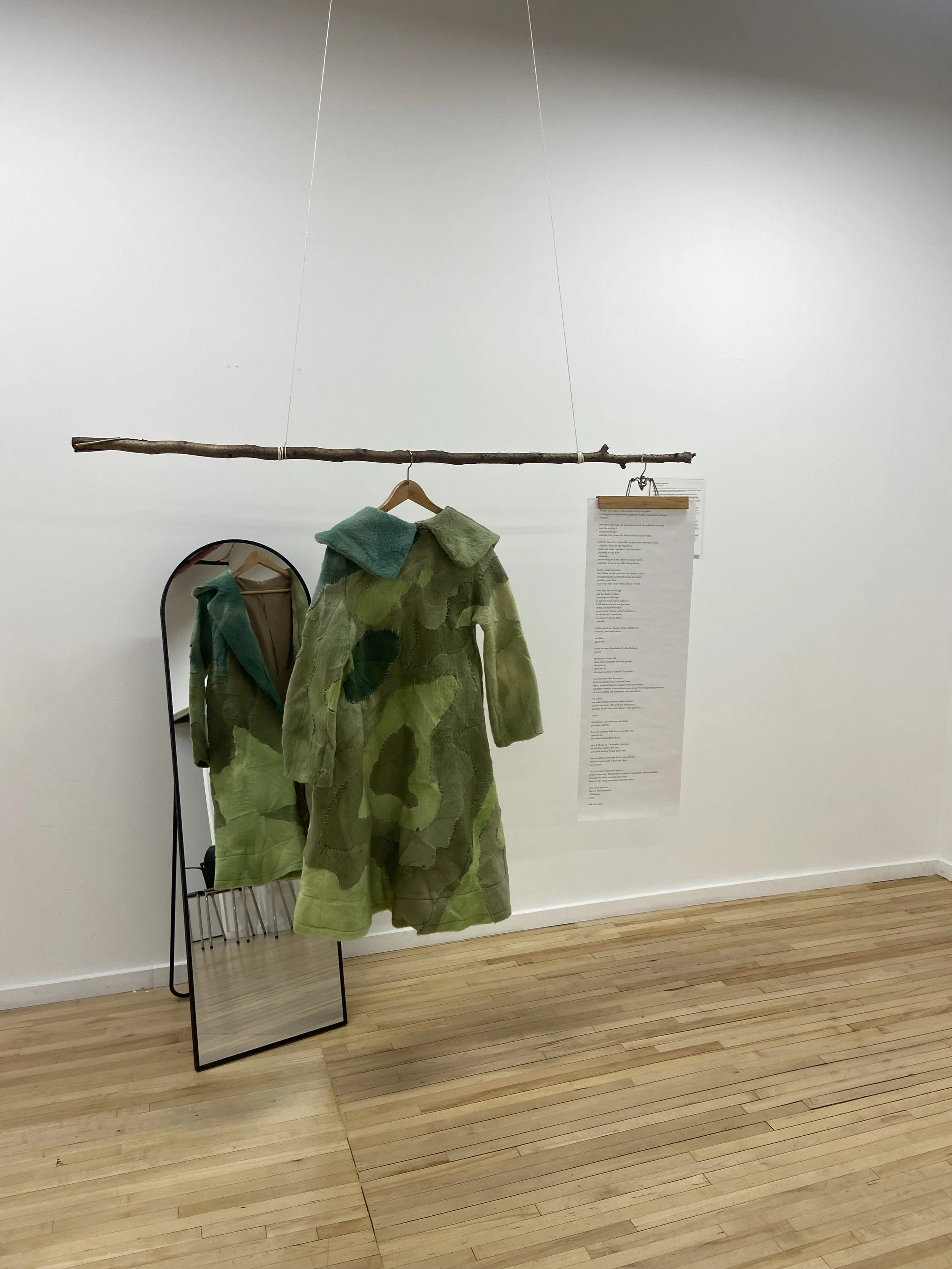
“With Toposomatic Inheritance I offer a tangible approach to future inheritance of place and body through the construction of garment.
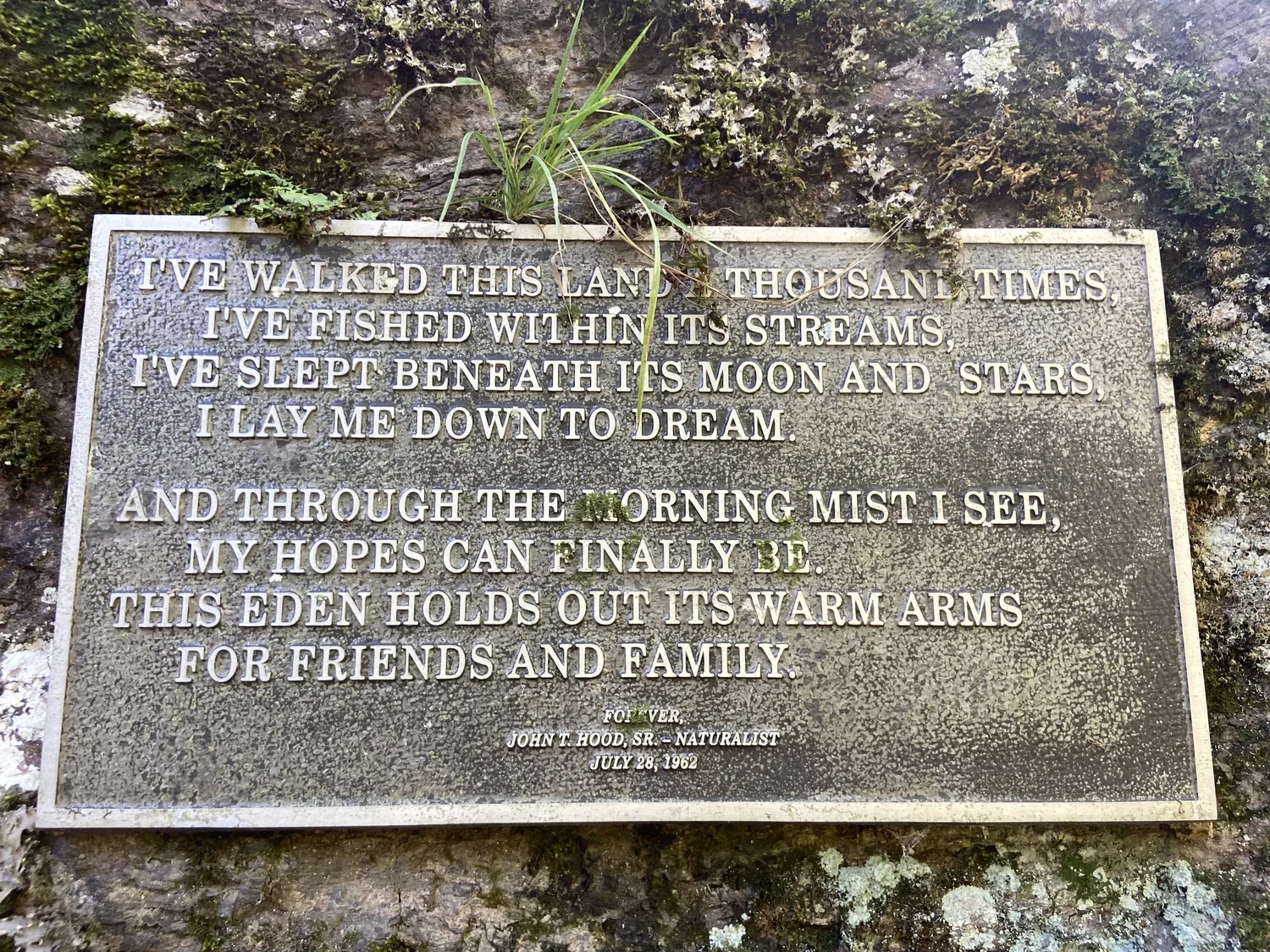
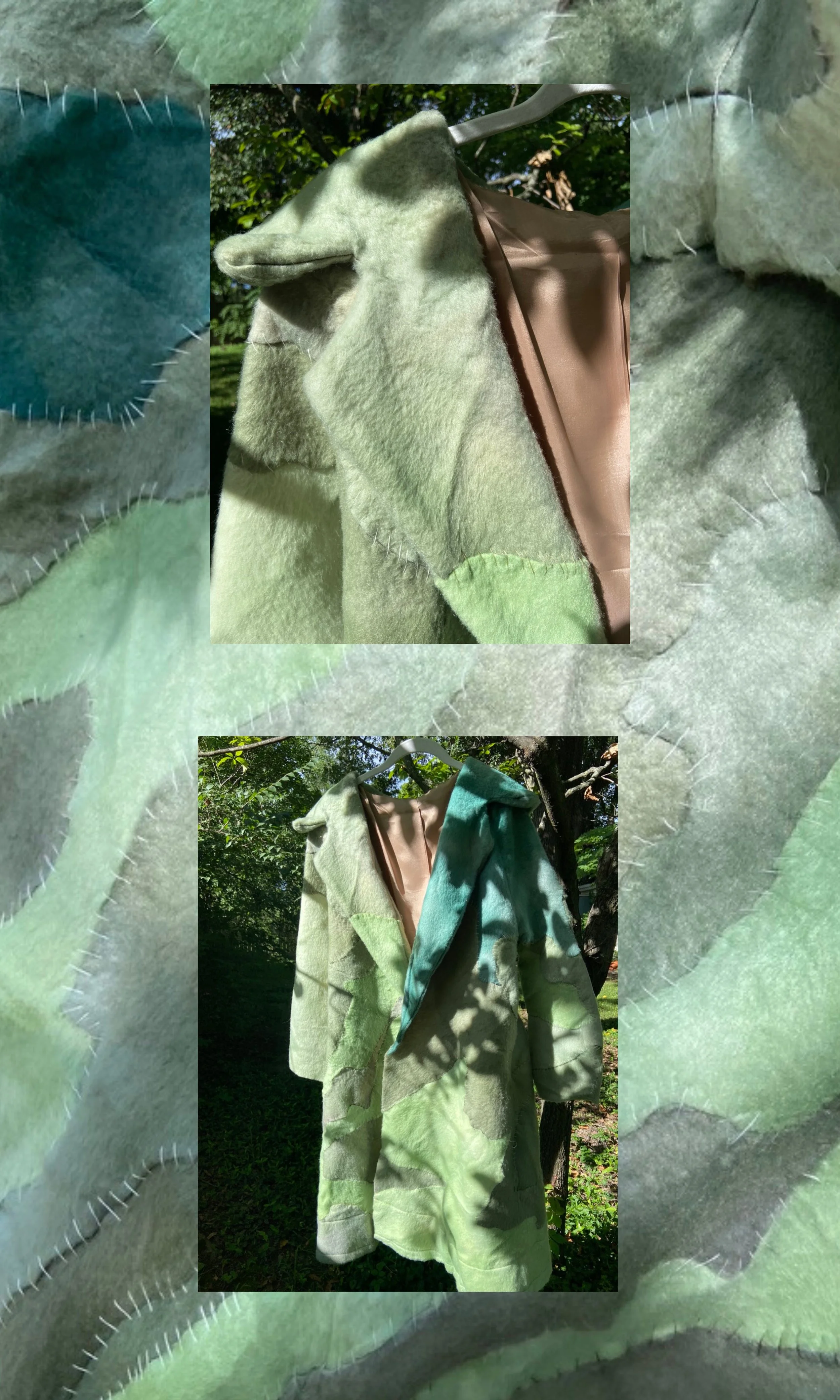
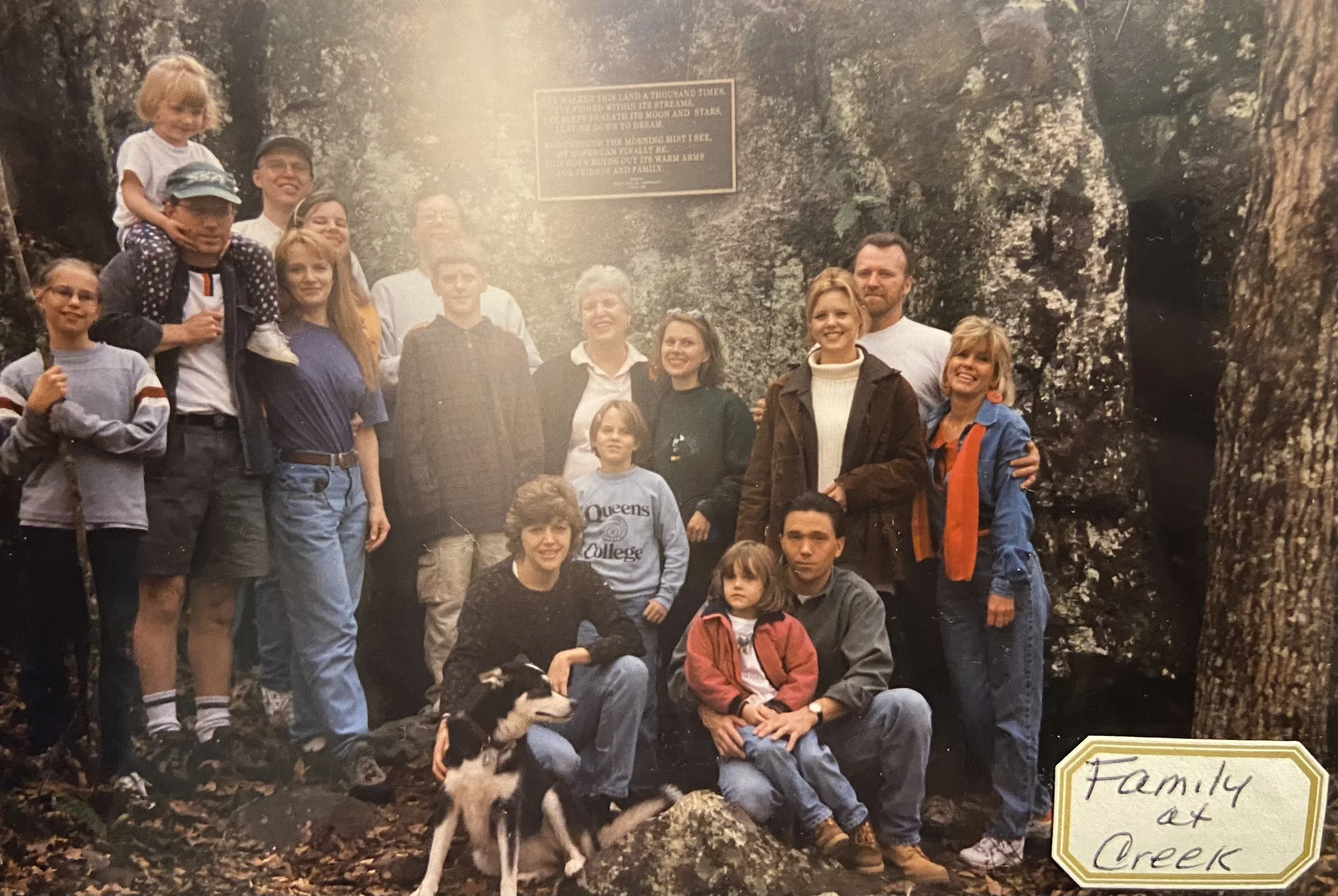
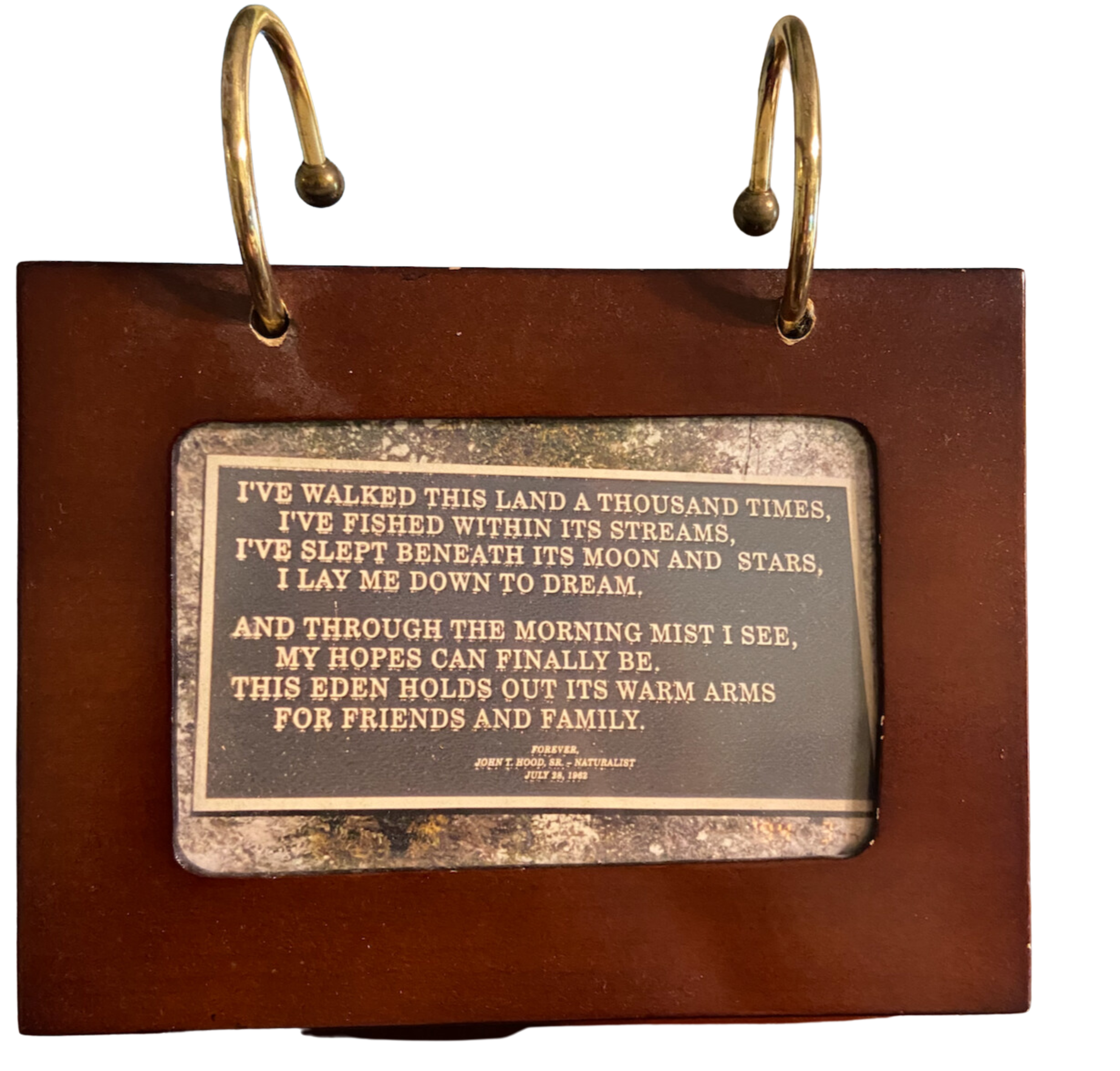
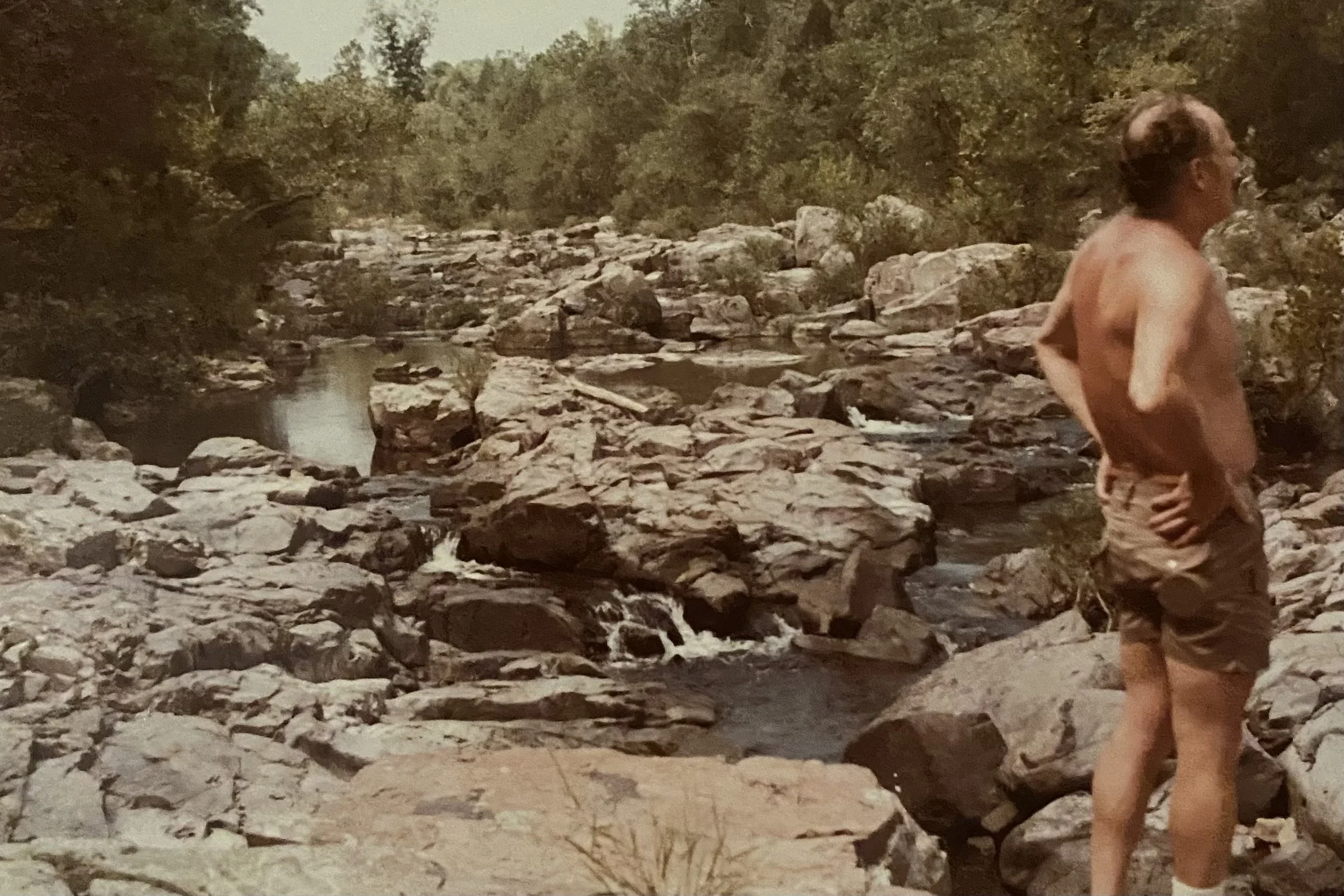
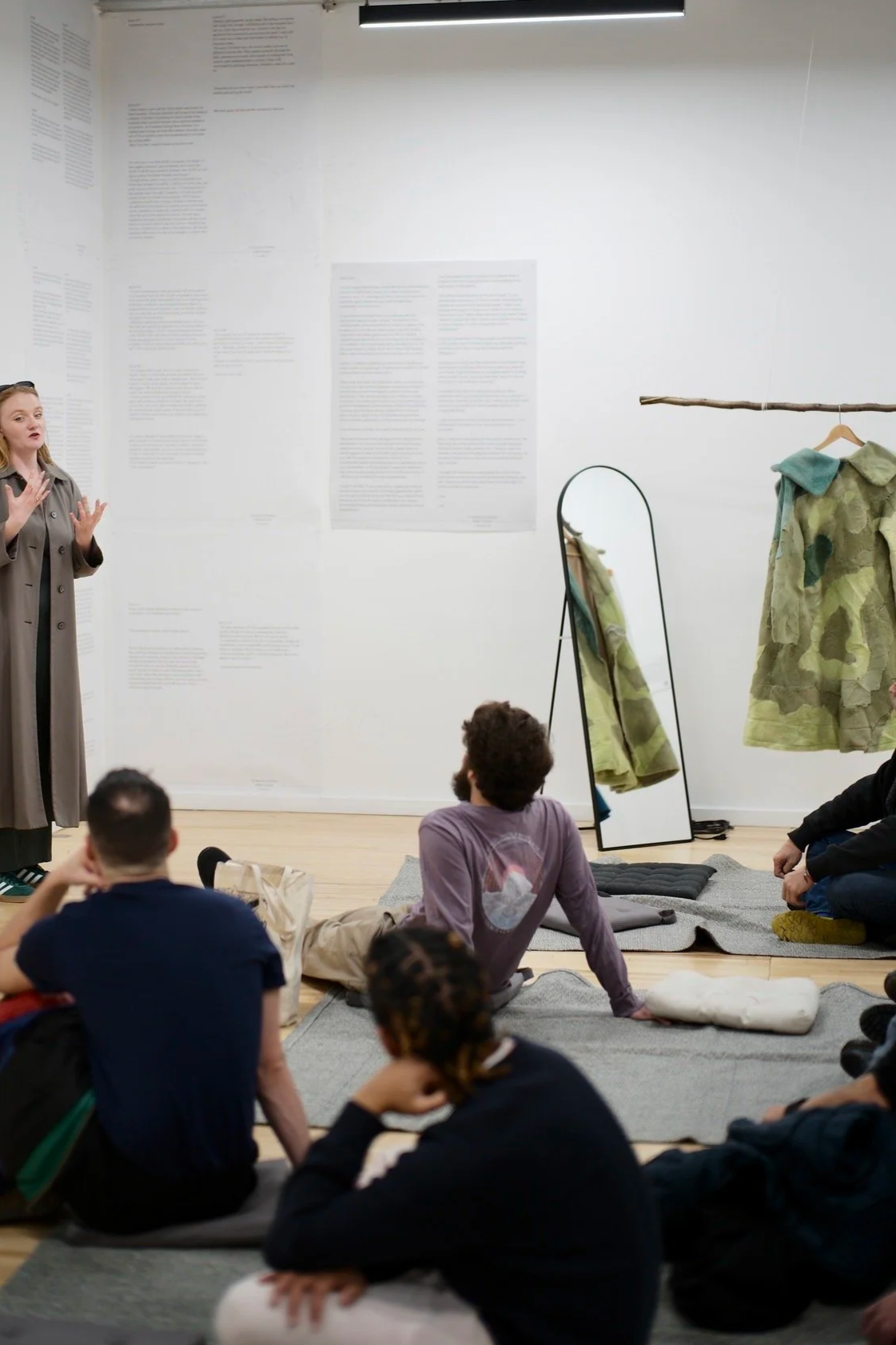
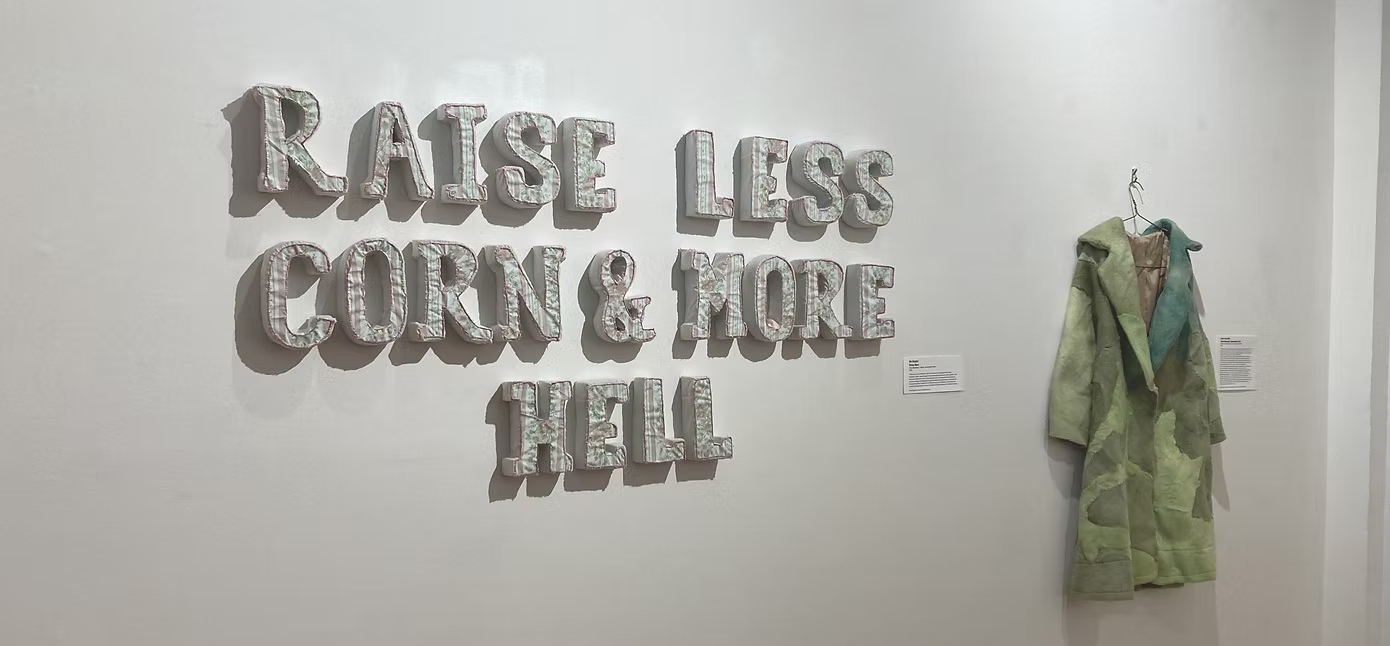
The Black Mountain Toposomatic Coat (topo - place, location; soma - body) is an experimental garment meditating across constructions of heritage, colonial ancestry, environmental violence under capitalism and 'rights' to place through private ownership and inheritance. It is accompanied by a poem from the vantage of my passing the coat down to future inheritors - not inherently biological descendants - in the year 2075, recounting my own memory-keeping of the land and speculatively addressing how ownership and collective stewardship have changed across my lifetime.
We link place with body all the time - coordinates and maps are tattoo’d on skin, we wear gemstones harvested from near and far in our ears, around our necks and fingers. Too often, contemporary people are far removed from the places that make their everyday Earth lens: our clothes.
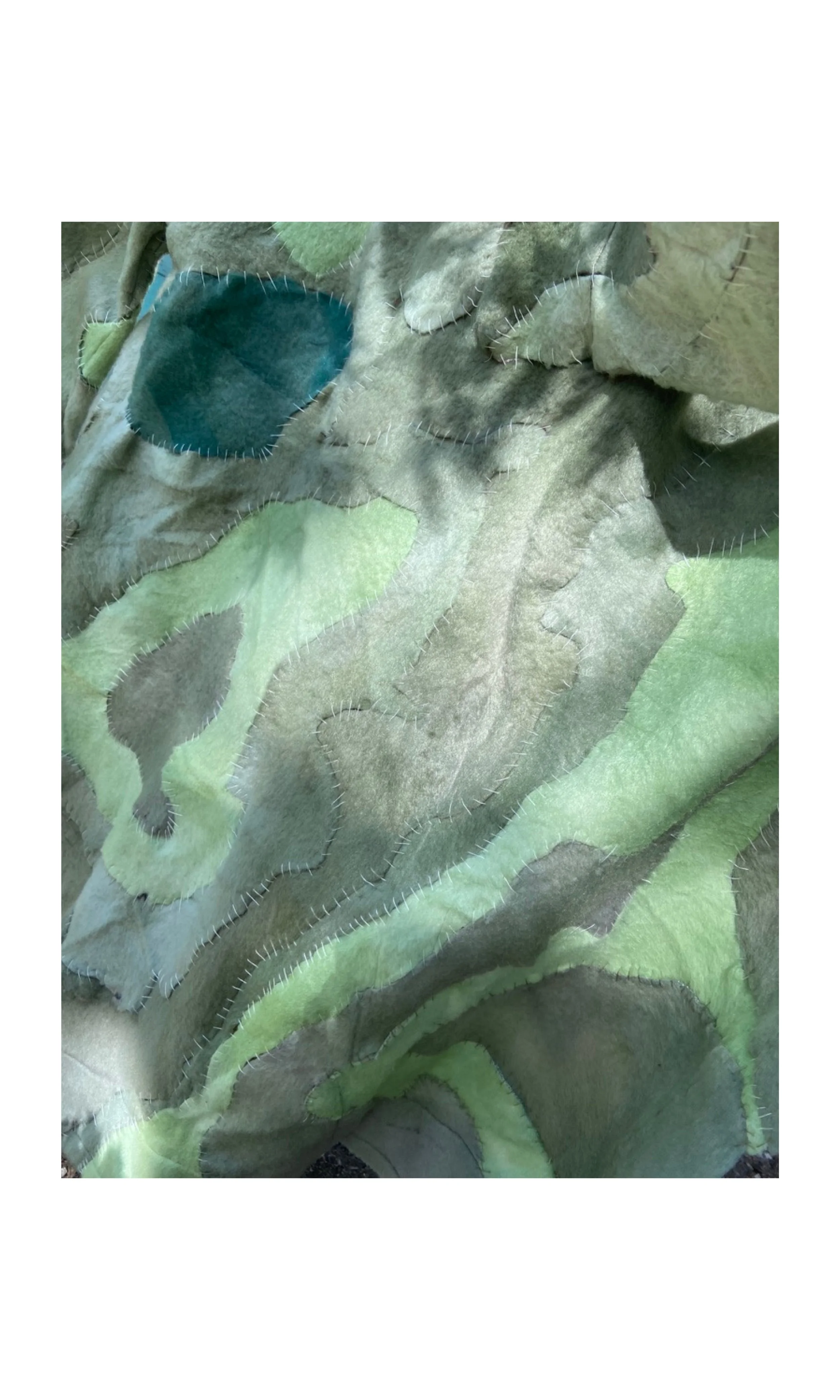
In the Black Mountain Toposomatic Coat, topographic mapping’s human-oriented navigation encounters the medium’s technocratic insistences and certainties: the rendering of nature as hyper-legible for the purposes of consumption, as capitalism demands of our contemporary relation to the natural world. The core problem with assuming legibility, and thereby extractability, is that maps aren’t static: topography isn’t static because water levels are not. Therefore, mountains aren’t static as Western thought would have us presume, and yet Western systems are those forcing water-level changes.
This conceptual-functional garment plays with unraveling the human-made certainty of the natural world, while distorting my own knowing of place, and letting both the topographies of this textile and my own body embed a re-rendering of the topographic lines of Black Mountain, Missouri, rejecting hierarchy and linearity of color so as to make the place illegible. This coat, hand-crafted onto my body from an original pattern, is constructed from a textile made of recycled water bottles known as eco-fi felt. Once constructed, a topographic map of Black Mountain, Missouri, was projected and traced onto the fabric. I then deconstructed and reassembled the coat along the map's lines, creating a patchwork assemblage of an intentionally inaccurate - but loosely identifiable - map. Each piece of the deconstructed garment was hand-dyed to obscure the topography’s precise legibility.
Through this artifact of construction, deconstruction, and assemblage, I question what it means to know — and inherit— place. My maternal grandfather owned and passed down land in the Black Mountain region to his children, thus I feel a responsibility to explore the possibilities of passing down place-memory through garments and oral histories rather than private land-ownership. In consideration of how the Land Back movement demands urgently-needed changes in natural resource stewardship, this conceptual garment imagines land and body stewardship as healing in a future where the place-body (topo-soma) and the ephemeral yet tangible work of memory-keeping and place-making exist in harmony with the Earth system.”